The UK is one of the world’s largest economies, yet millions of people here face daily struggles to afford the essentials. The cost-of-living crisis, driven by rising inflation, soaring energy bills, and stagnant wages, has pushed many households to the brink. Food prices have climbed sharply, housing costs continue to rise, and utility bills have reached record highs — leaving families forced to choose between heating and eating.
Children are among the hardest hit. More than four million are growing up in poverty, with many missing out on nutritious meals, warm clothing, and safe, stable homes. For some, school is the only place they can count on a hot meal.
The crisis extends far beyond those already living in deprivation. Working families, pensioners, and young adults alike are feeling the squeeze, with increasing numbers turning to food banks and community pantries just to get by. In rural areas, the challenges are compounded by higher transport costs and limited access to affordable services, while in urban centres, overcrowded housing and insecure tenancies add to the strain.

18.7%
Of the population live below the poverty line
14.7%
Youth unemployment rate, dropping to 19.6% among women
7th
Most vulnerable country to climate change
60%
Of Bangladesh’s population are exposed to a high flood risk
13.3 Million
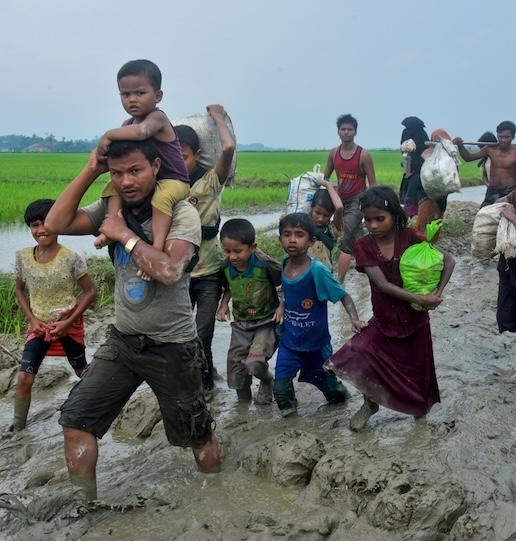
People could become internal migrants due to climate change
Select an option below to view
With an estimated 13.3 million people expected to become internal migrants in Bangladesh by 2050 due to climate change, and just a one metre rise in sea level would result in 17.5 per cent of the country being flooded, Muslim Aid Bangladesh is focused on implementing Disaster Risk Reduction (DRR) activities to support communities to withstand various shocks and stresses. Vulnerable communities in climate hotspots are being blindsided by cascading climate disasters without any means of prior alert. Muslim Aid Bangladesh is implementing projects that focus on strengthening communities’ capacity and resilience to disaster and climate risks through an inclusive approach, working with and for rights holders. Activities include renovating schools to be resilient against floods, conducting training on early warnings and early actions, organising behaviour campaigns on disaster preparedness, developing risk reduction action plans, conducting mock drills, developing community action plans, supporting climate smart agriculture and awareness raising sessions on coping and adaptation measures such as deforestation campaigns and tree plantations.
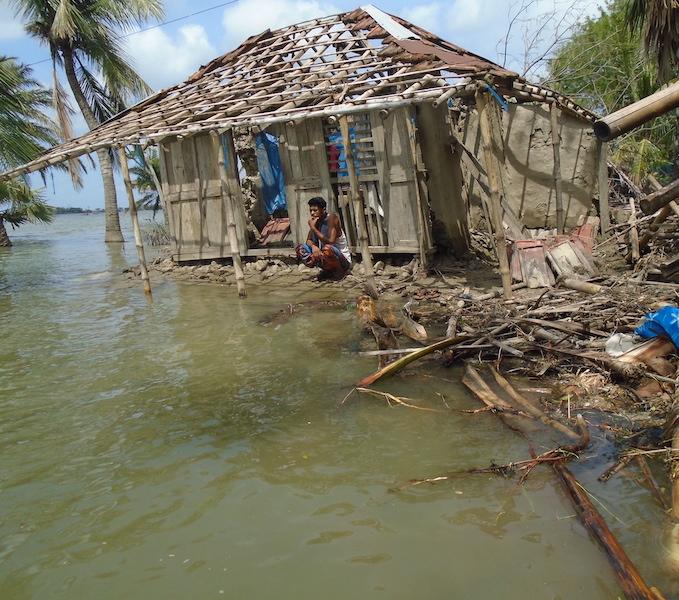
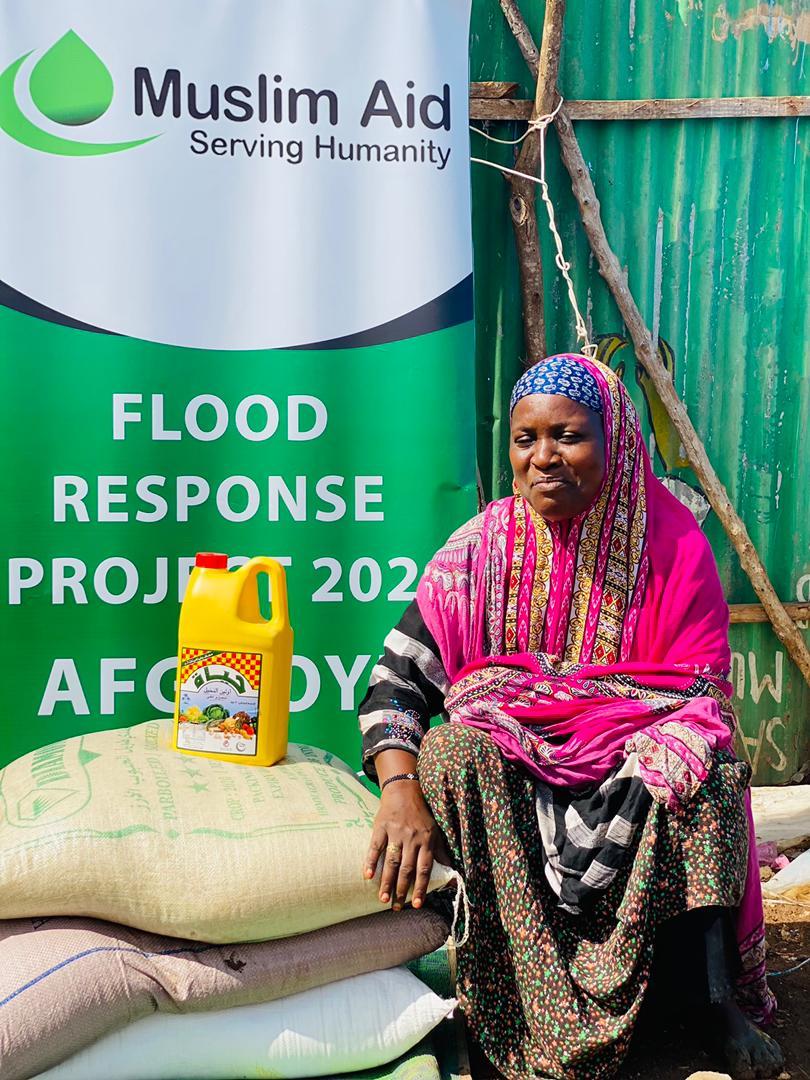
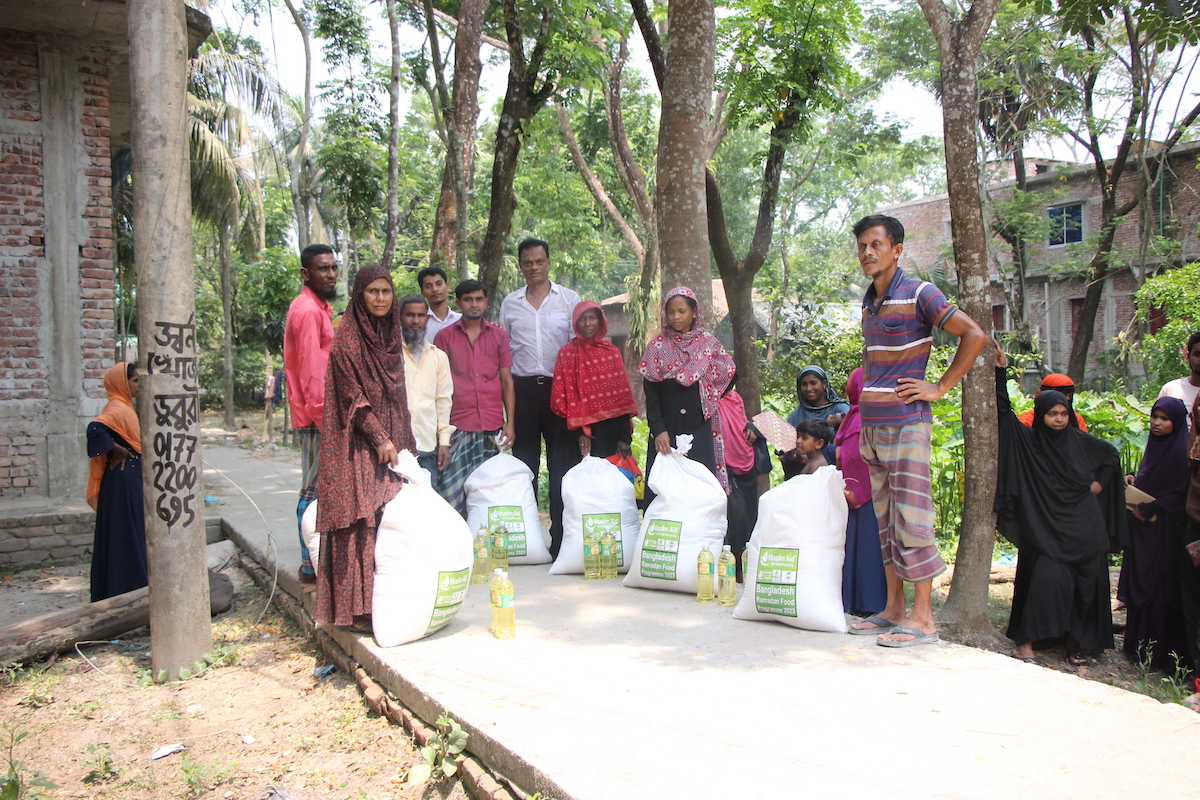
Bangladesh experiences frequent natural disasters including floods, droughts, and earthquakes due to its geographical location. As a result of climate change, these events are becoming increasingly regular, affecting farming, water, and impacting the living standards of communities. Muslim Aid Bangladesh is working hard to respond to these various emergencies, implementing early response and relief projects providing food, cash transfers, shelter and clean water, through to restoring livelihoods, homes and WASH infrastructure during recovery and rehabilitation phases.
Importantly, Muslim Aid Bangladesh is dedicated to the localisation agenda and aims to strengthen disaster risk preparedness by conducting preparedness interventions, capacitating local communities regarding Community-Based Disaster Risk Management and pre-financing interventions in disaster-prone areas across the country.
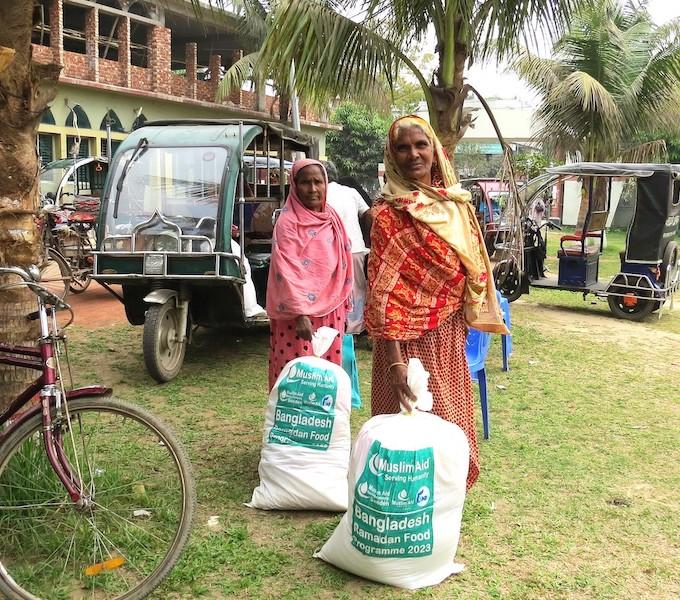
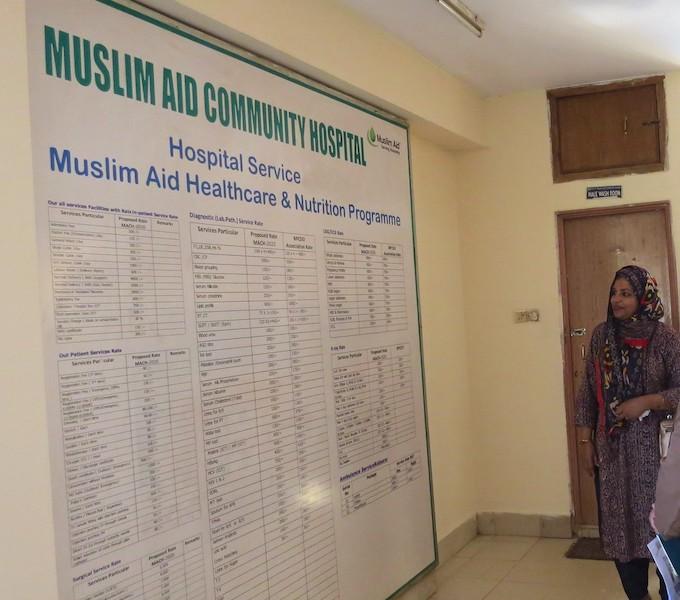
Since 1996, Muslim Aid Bangladesh has been delivering quality healthcare services to patients in three Muslim Aid Community Hospitals (MACHs) located in Kulaura, Pirojpur and Pabna. These hospitals support both in-patients and out-patients through the provision of ambulances, delivering antenatal and postnatal services including preforming caesarean deliveries, diagnostic services such as ECGs, USGs, and X-rays, performing routine operations, offering pharmacy services and vaccination programmes, providing satellite health camps, and organising school health campaigns. The MACHs have seen annual increases in beneficiary numbers, proving their acceptance among communities.
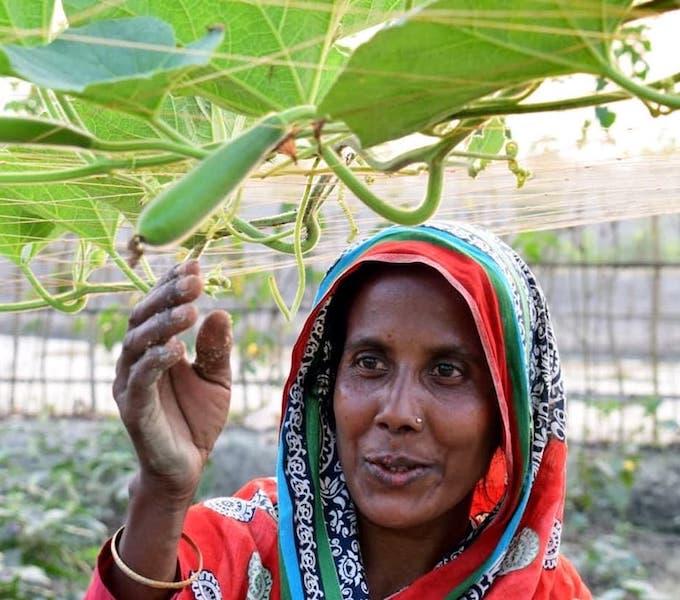
Muslim Aid Bangladesh has been implementing education projects for several years, transitioning to a Community-Based Model (CBM) in 2021. The CBM is a flexible and holistic strategy that adapts to the unique context of each community, allowing for relevant and sustainable interventions that address the underlying barriers to children accessing quality education. Soft components include enrolment campaigns, teacher training, awareness campaigns on the importance of education, and capacity-building programmes for key stakeholders. Meanwhile, hard components include renovating WASH blocks to ensure inclusion, reconstructing classrooms and distributing scholastic materials.
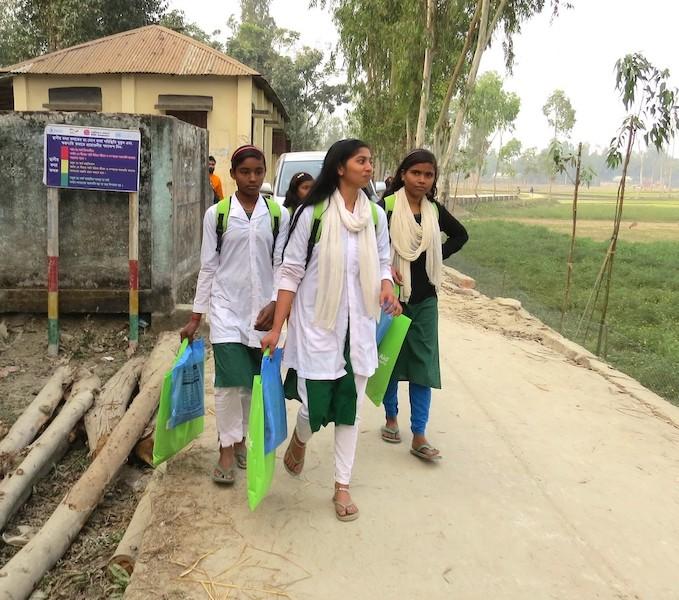
Since 1996, Muslim Aid Bangladesh has been delivering quality healthcare services to patients in three Muslim Aid Community Hospitals (MACHs) located in Kulaura, Pirojpur and Pabna. These hospitals support both in-patients and out-patients through the provision of ambulances, delivering antenatal and postnatal services including preforming caesarean deliveries, diagnostic services such as ECGs, USGs, and X-rays, performing routine operations, offering pharmacy services and vaccination programmes, providing satellite health camps, and organising school health campaigns. The MACHs have seen annual increases in beneficiary numbers, proving their acceptance among communities.
In future years, the MACHs plan to expand their services to further meet community demand, such as the inclusion of WASH, physiotherapy and nutritional support.
180,000
People reached across health care, livelihoods, education & emergency interventions
7,000
People provided new Livelihood Skills
3,000
Children supported to complete their academic year
4,000
Distributed school materials to children
27
Upgraded sanitation facilities
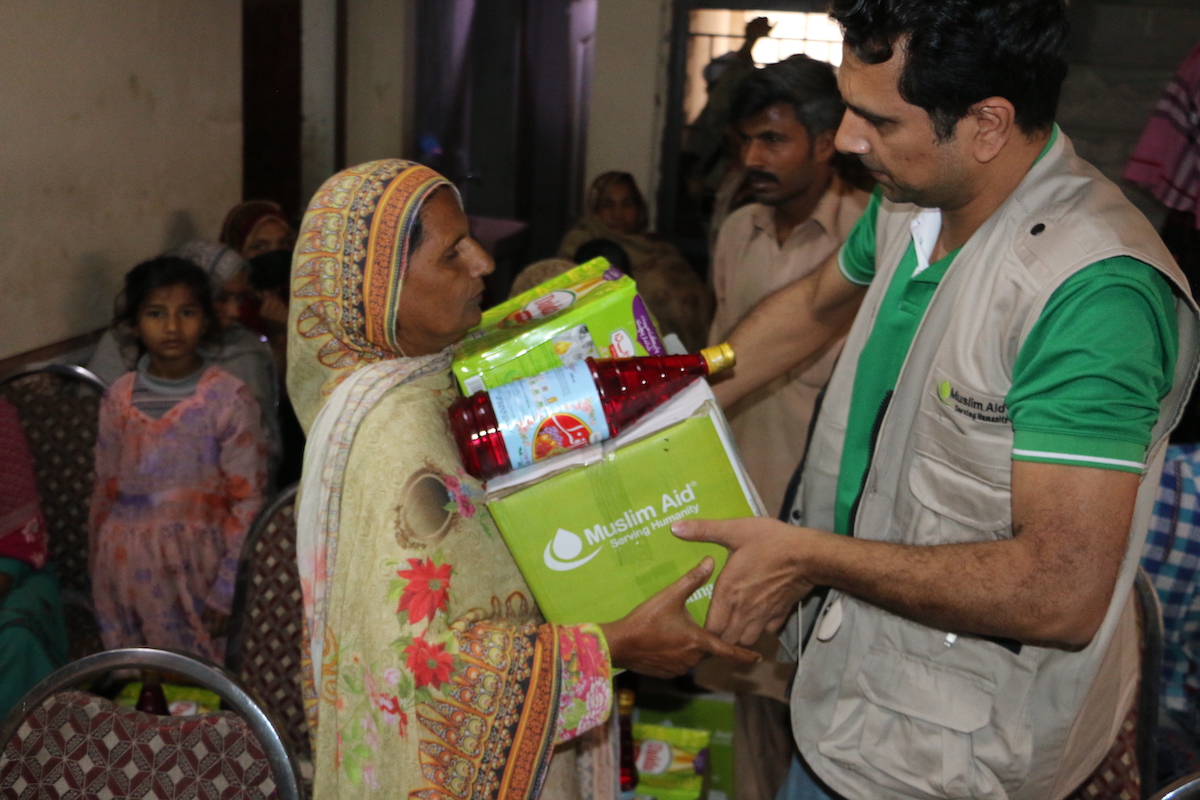
We are a faith-based British international charity that provides help to people who are victims of natural disasters or conflict or suffering from poverty, hunger, disease, homelessness, injustice, deprivation or lack of skills and economic opportunities.
© Copyright 2026. Muslim Aid - Help Muslims Around the World in Need . All Rights Reserved.
Charity CIO No. 1176462
Serving humanity since 1985.