Following decades of war, and the simultaneous takeover of the country by the Taliban, Afghanistan has ushered into a new era characterised by the almost-total exclusion of half the population – women and girls – from public life, economic challenges, hunger and risk of malnutrition, inflation driven by global commodity shocks, and drastic rises in both urban and rural poverty. In addition to the political, social and economic shocks contributing to humanitarian deterioration. Afghanistan is located in a seismically active region, and is highly susceptible to catastrophic damage due to earthquakes such as that experienced on 31st August 2025 where more than 2,000 people were killed particularly across several densely populated urban areas along the Chaman, Hari Rud, Central Badakhshan and Darvaz fault lines.6
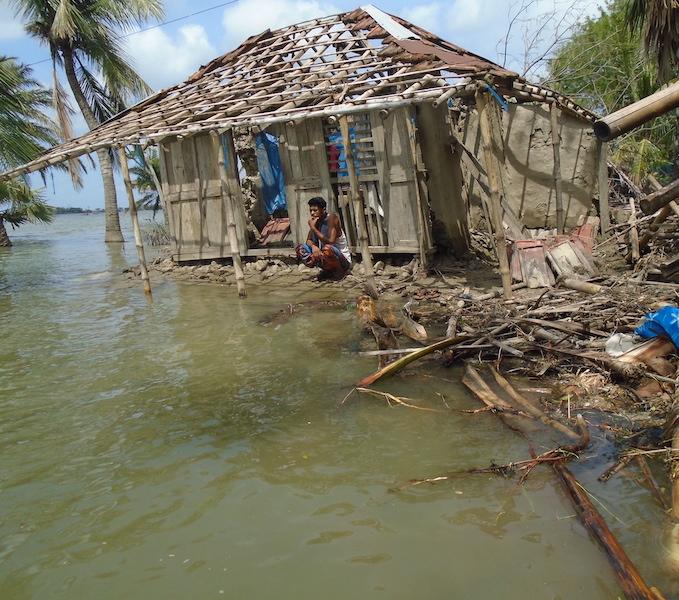
Afghanistan has experienced consecutive years of drought, compounded by increasingly irregular rainfall patterns and reduced snow cover, which have led to a shift in historic flooding patterns, causing additional damage and disrupting agriculture (with secondary consequences for food, nutrition, education, protection, health, displacement, etc.). The future trends of rain and snowfall under different climate change scenarios will have a major impact on the viability of traditional livelihoods and settlement patterns and will require substantial adaptations and expansions of infrastructure.

63%
Of Afghanistan’s population is estimated to require humanitarian assistance in 2025, reflecting continued economic fragility, climate shocks, and displacement pressures.1
23.7m
People estimated to be in need of humanitarian assistance in 2025, according to UN humanitarian planning figures (revised downward from 2023 due to prioritization, not improved conditions). 2
16m
People are projected to face acute food insecurity (IPC Phase 3+) during 2025, with several million remaining at emergency levels depending on seasonal conditions.3
4th
Afghanistan continues to rank among the highest-risk countries globally in the INFORM Risk Index, with a risk score around 8.1, reflecting high exposure and low coping capacity.4
8th
The ND-GAIN Index continues to place Afghanistan among the most climate-vulnerable and least-prepared countries, remaining within the global top ten for vulnerability.5
Select an option below to view
The worsening climate in Afghanistan is compounding the humanitarian crisis for displaced families. Harsh winters bring sub-zero temperatures that many are unprepared to face. Without heating, proper shelter, or warm clothing, families—especially children and the elderly—are at high risk of hypothermia and illness.
Muslim Aid’s emergency response helped mitigate these effects by providing gas cylinders, stoves, and winter-ready supplies. In the face of a changing climate, immediate interventions like these save lives and offer a measure of dignity to families exposed to environmental extremes.
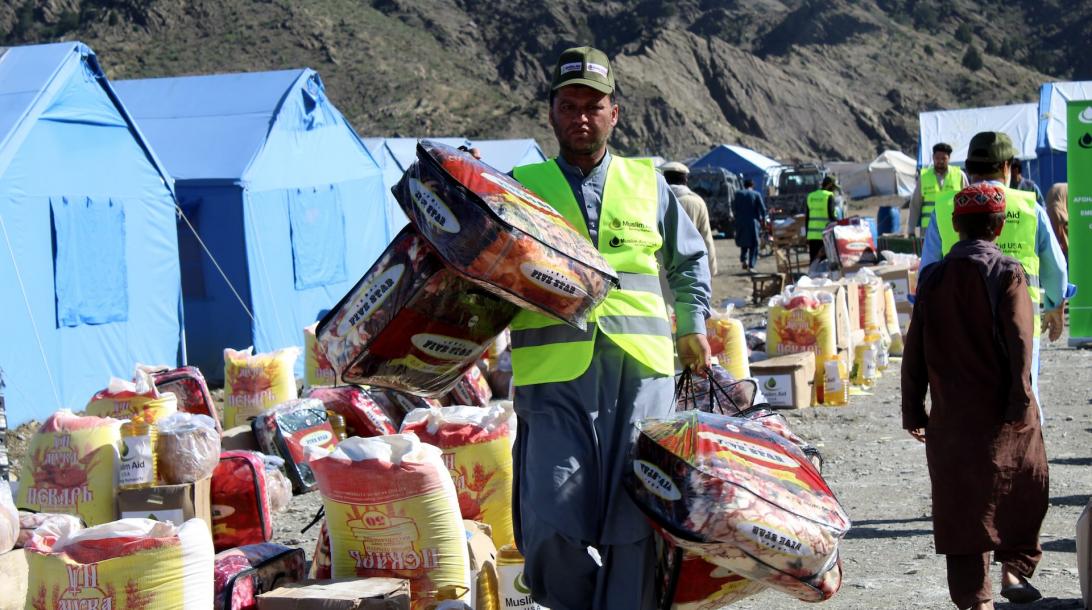
Years of conflict have left tens of thousands of Afghan families displaced and destitute. Muslim Aid launched an emergency humanitarian response between September and December 2021, reaching over 1,400 people in Kabul with lifesaving aid.
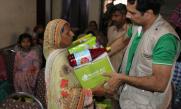
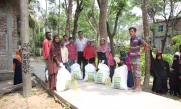
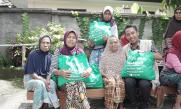
This included food packs, hygiene kits, clean water, heating supplies, and financial assistance. By targeting the most vulnerable—including women-headed households, the elderly, people with disabilities, and orphaned children—Muslim Aid ensured support reached those who needed it most, preserving life and dignity amid dire circumstances.
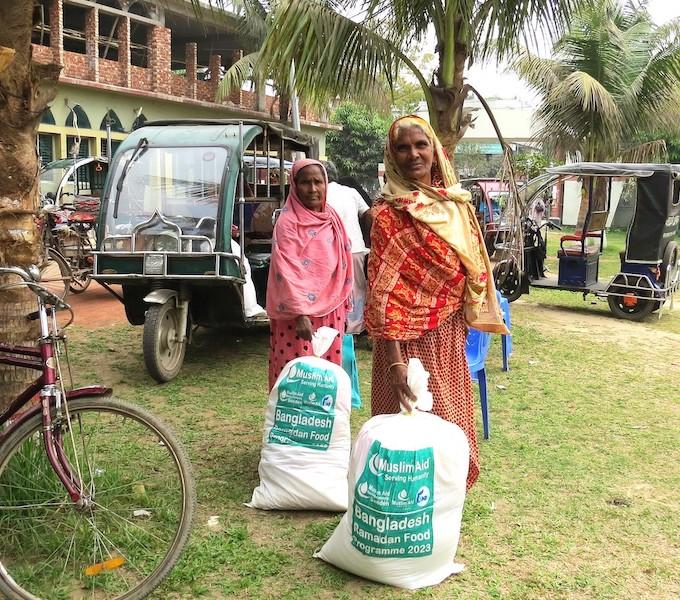
Conflict and displacement have disrupted livelihoods, leaving families with no income or means to rebuild. Muslim Aid’s emergency response provided cash grants and transportation support, enabling families not only to meet immediate needs but also to regain control over their futures.
With this assistance, many were able to move to safer locations or return home, reducing their vulnerability to negative coping strategies like child labor or exploitation. These small but impactful steps are essential for rebuilding lives and restoring hope.
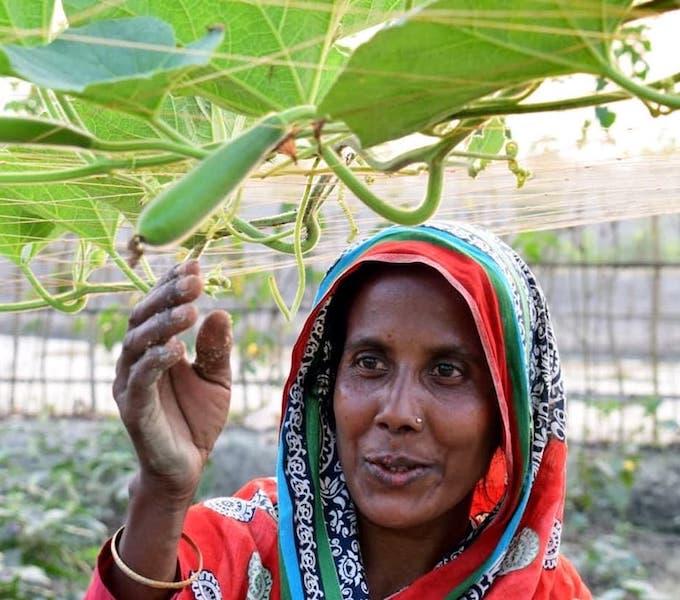
In times of crisis, education is often one of the first casualties. Displaced Afghan children—who made up over 34% of the aid recipients—faced barriers not just to learning, but to survival. Without food, hygiene, and stability, education becomes a distant dream.
Muslim Aid’s response laid the foundation for educational recovery by addressing basic needs. By stabilizing family environments and preventing further displacement, children are given a greater chance to return to school and pursue a future beyond crisis.
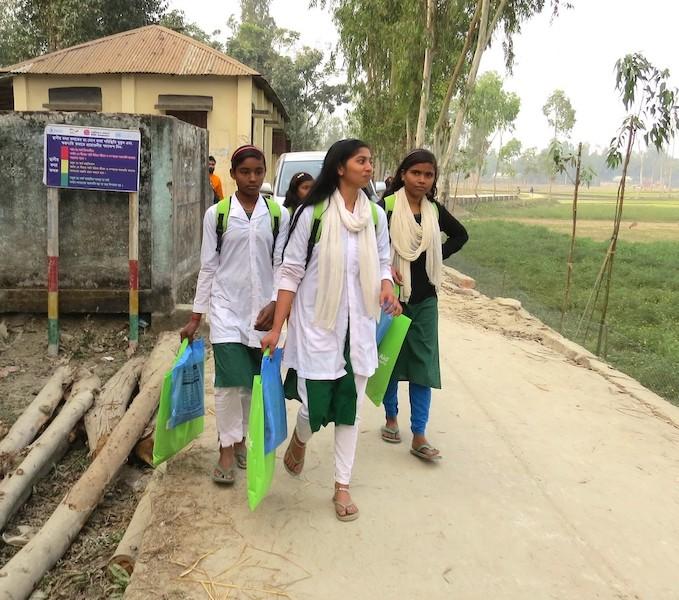
Healthcare access for displaced Afghan families has been nearly nonexistent. Malnutrition, poor sanitation, and lack of medical facilities put thousands at risk. Muslim Aid intervened with hygiene kits, sanitary products, and clean water provisions, directly improving public health conditions.
In doing so, the risk of disease outbreaks was reduced and dignity restored—especially for women and girls. This emergency support not only saved lives in the short term but prevented longer-term health deterioration in vulnerable communities.
1500
People reached through emergency interventions
300
People provided households with dignity and safety kits
3,000
Children supported to complete their academic year
250
Distributed food packages
700
Individuals effected by the earthquake
Afghanistan has endured more than four decades of conflict and instability, contributing to one of the world’s most protracted displacement crises, with over 3.3 million people internally displaced. Many displaced families live in overcrowded informal settlements in cities such as Kabul, Herat, and Kandahar, often lacking access to basic services. The country is also highly vulnerable to natural hazards due to active fault systems. On 31 August 2025, a magnitude 6.0 earthquake struck western Afghanistan, causing widespread destruction and over 2,000 reported deaths. The disaster severely damaged homes and infrastructure, further compounding humanitarian needs and highlighting limited resilience in affected communities.

On 31 August 2025, a major earthquake struck western Afghanistan, registering magnitude 6.0 on the Richter scale. The quake caused widespread destruction across affected communities, resulting in over 2,000 reported deaths, thousands injured, and large-scale displacement. Homes, infrastructure, and basic services were severely damaged, further worsening humanitarian needs in already vulnerable areas.
Sources
[3] https://www.ipcinfo.org/ipc-country-analysis/details-map/en/c/1158872/
[4] INFORM, Risk Index, 2025 — https://drmkc.jrc.ec.europa.eu/inform-index
[5] Notre Dame Global Adaptation Initiative, Country Index, 2025 — https://gain.nd.edu/our-work/country-index/
We are a faith-based British international charity that provides help to people who are victims of natural disasters or conflict or suffering from poverty, hunger, disease, homelessness, injustice, deprivation or lack of skills and economic opportunities.
© Copyright 2026. Muslim Aid - Help Muslims Around the World in Need . All Rights Reserved.
Charity CIO No. 1176462
Serving humanity since 1985.