Across the country, the long-standing needs driven by rounds of hostilities remain staggering and have become more deeply entrenched, compounded by multi-layered drivers. Over a decade of the destruction of Syrian infrastructure and loss of lives, layered with a deteriorating socio-economic situation, a global pandemic and climate-induced shocks, have pushed more segments of the population into humanitarian need.
Domestic investment in social welfare programmes has reduced significantly and led to the collapse of the national social protection system, and subsequent lack of support for vulnerable families. For example, domestic resources allocated to the social affairs sector have fallen dramatically from 2011 to 2022 by a factor of about four, from 0.18 per cent of the overall budget to 0.04 per cent. In real terms, allocations to the sector are 89 per cent lower than they were in 2011. (13 HNO 2023)

12 Years+
of crisis during which the country has lost 42 places on the Human Development Index, most Syrians face a context of continuing humanitarian decline 1
6.8 Million
People displaced as Syria has the largest number of internally displaced people in the world2
15.3 Million
people required humanitarian assistance, including 2.1 million IDPs living in last-resort IDP sites, with needs that keep increasing across all sectors 3
59%
of hospitals, 57 per cent of primary health care facilities and 63 per cent of specialized centres are fully functioning 3
4.1 Million
people, of which an estimated 2.7 million are internally displaced (IDPs), continued to need critical lifesaving assistance, most of whom are women and children.4
Select an option below to view
The aim of Muslim Aid’s education programming is to increase access to education facilities, increase opportunities for quality learning and reduce the numbers of illiteracy. Increasing access to quality education in a safe learning environment for children affected by the crisis in Syria through support to both formal and non-formal education (NFE) services.

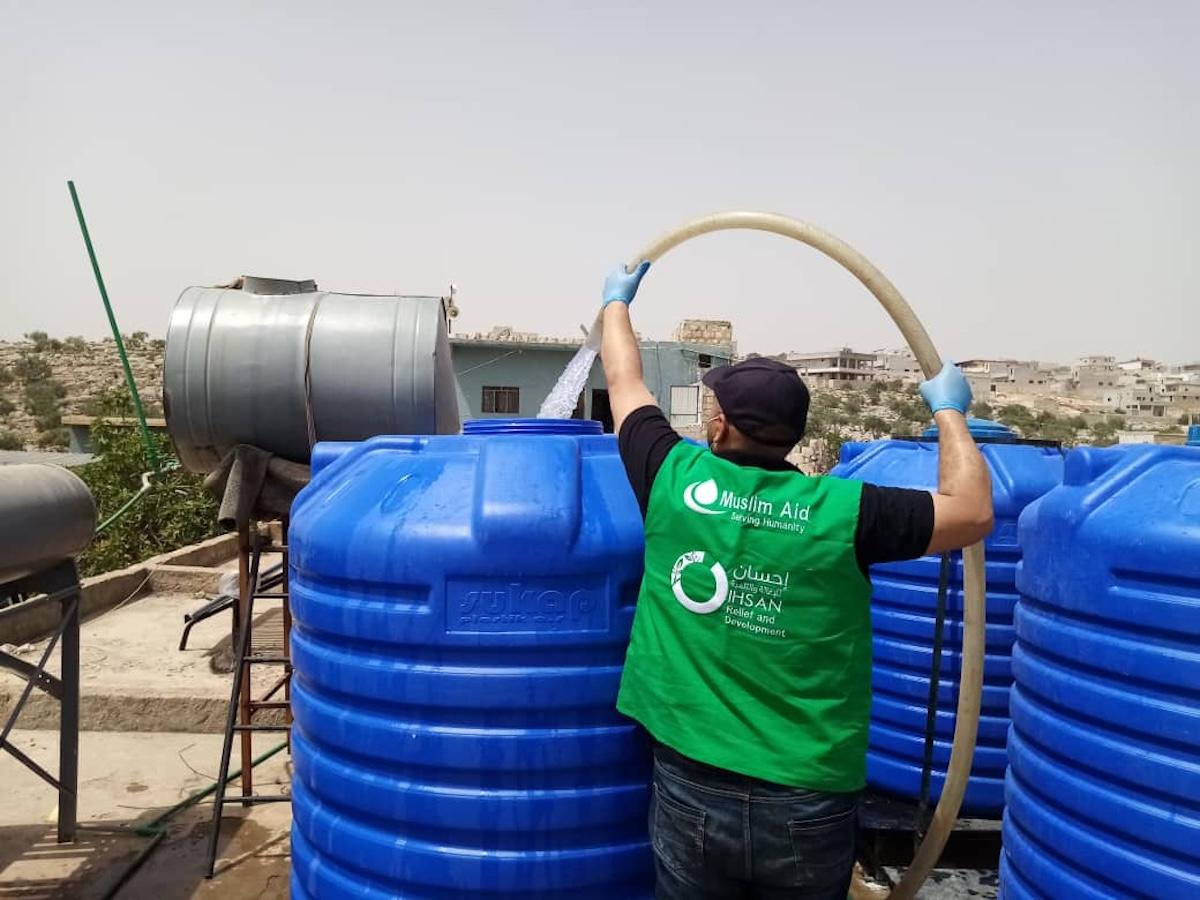
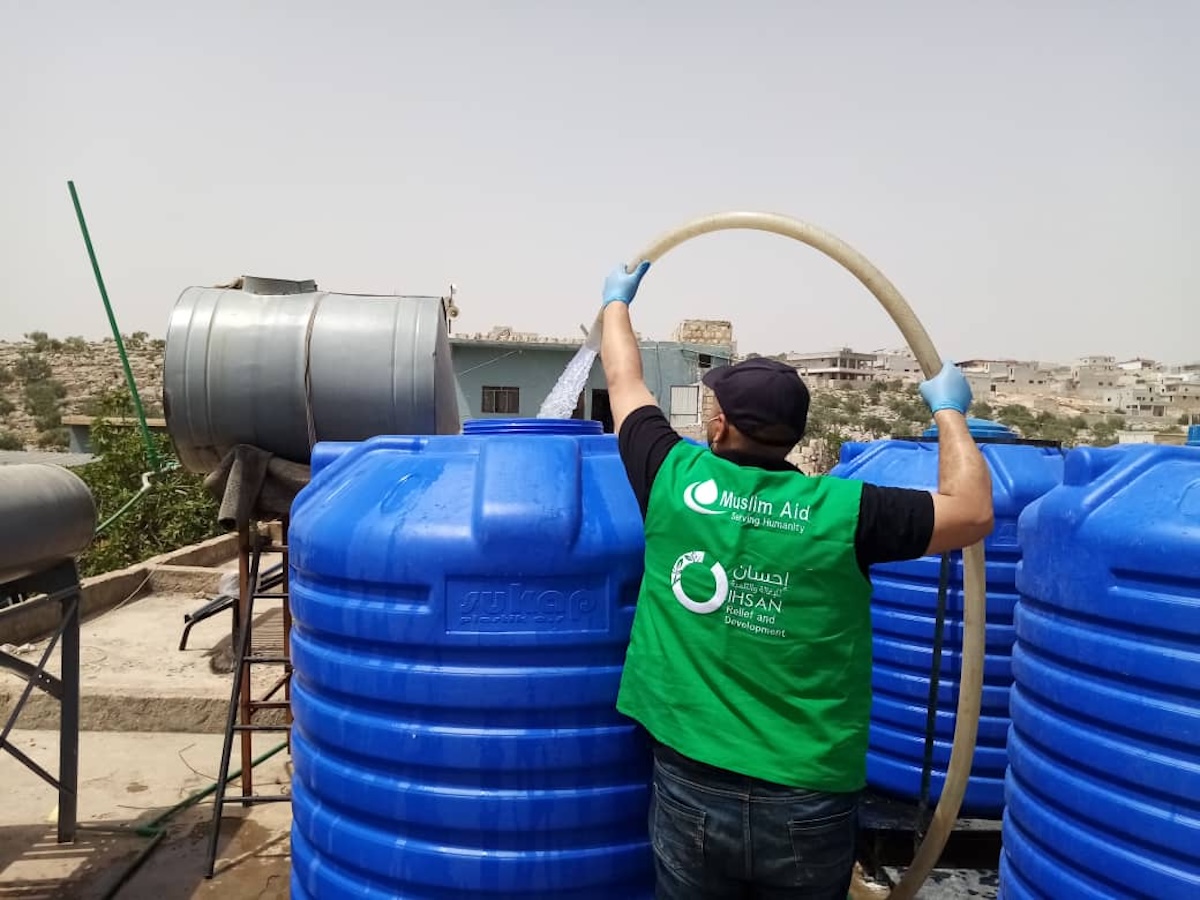
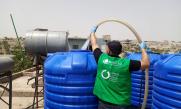
In Syria, Muslim Aid is programming health and WASH initiatives through our long-term partnerships to improve critical WASH and Health infrastructure and increase access to key health, hygiene and sanitation services. This includes the provision of household level latrines, handwashing facilities, sewage networks, as well as community level water access and rehabilitation of health facilities. Programmes are ensuring sustained access to safe, equitable and inclusive humanitarian lifesaving and life-sustaining health services to the most vulnerable through a quality healthcare package and system strengthening.
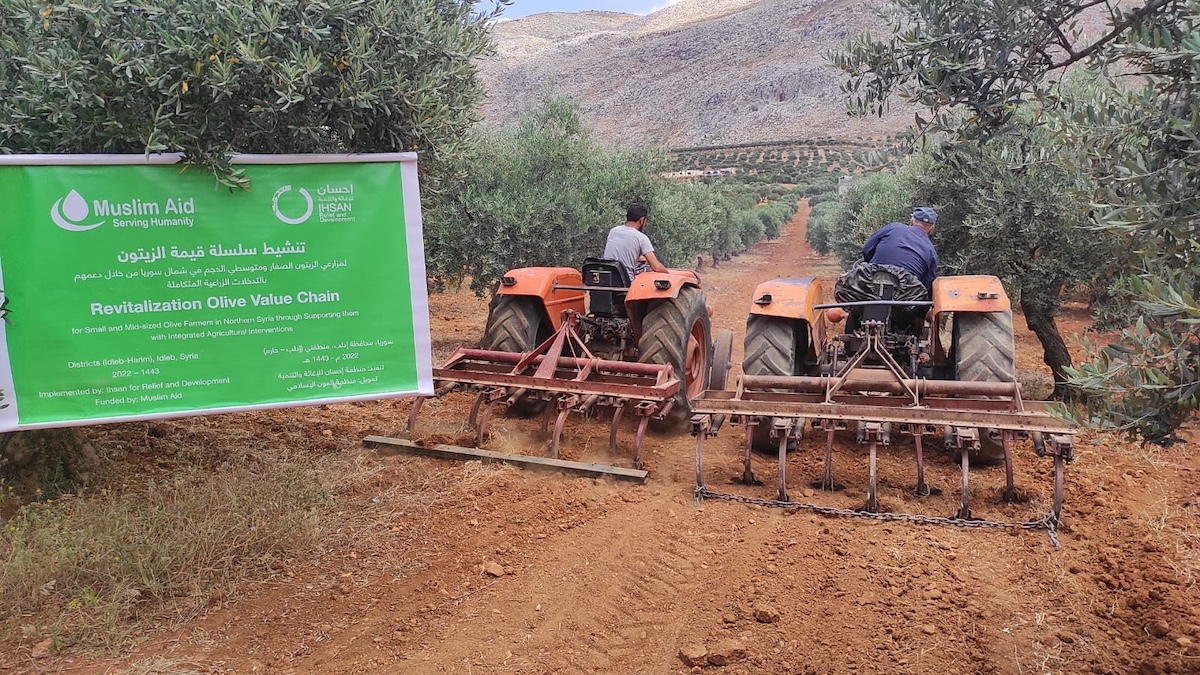
In Syria, Muslim Aid is committed to re-building the livelihoods of vulnerable communities through the provision of skills-training, livelihoods support and economic empowerment. This includes the provision of crops and seeds, small-business grants, specialist training in areas such as manufacture, farming, information technology, with the aim of increasing resilience and economic independence. Livelihoods support is especially important following rapid onset crises such as the February 2023 earthquake which resulted in a huge number of communities without jobs or economic opportunities to support their families.
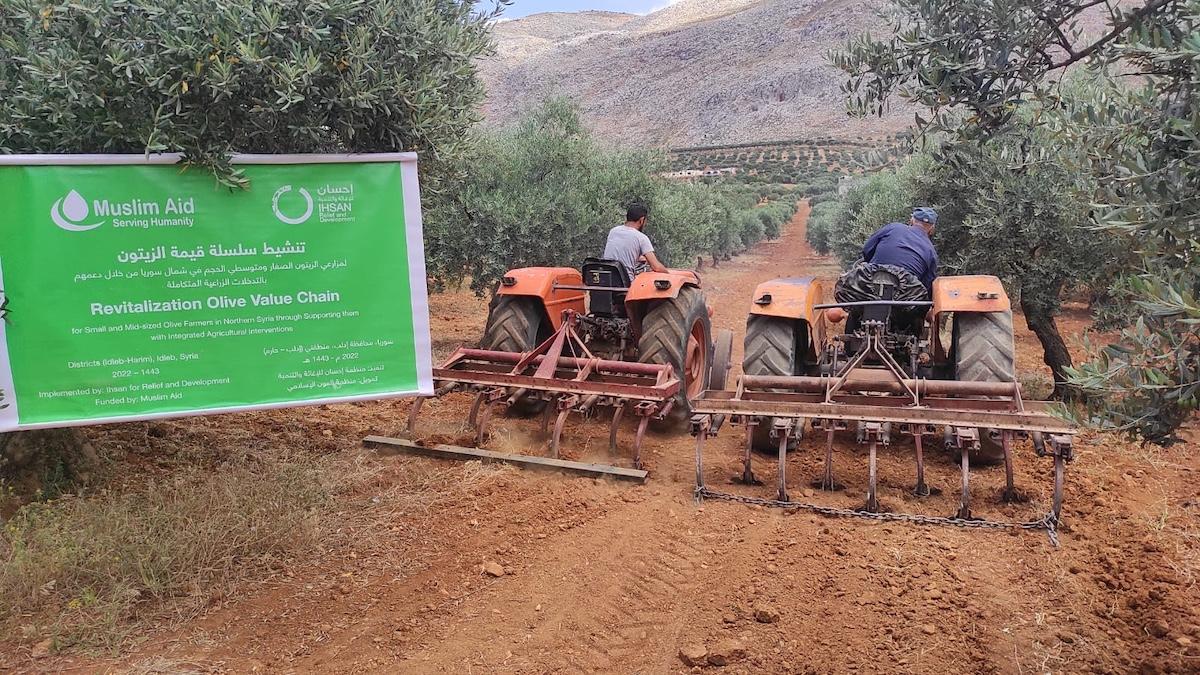
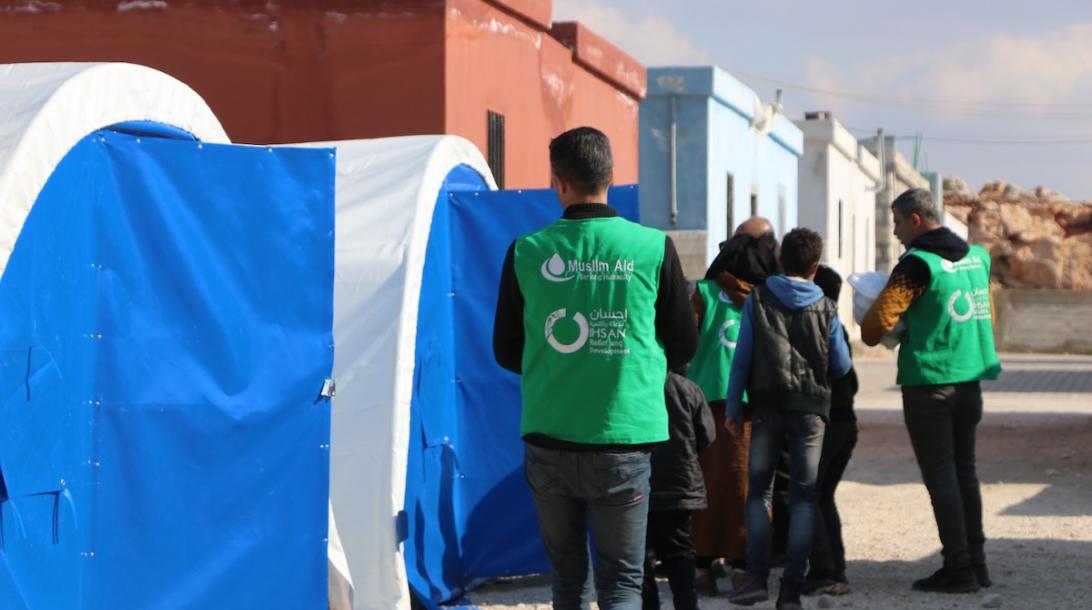
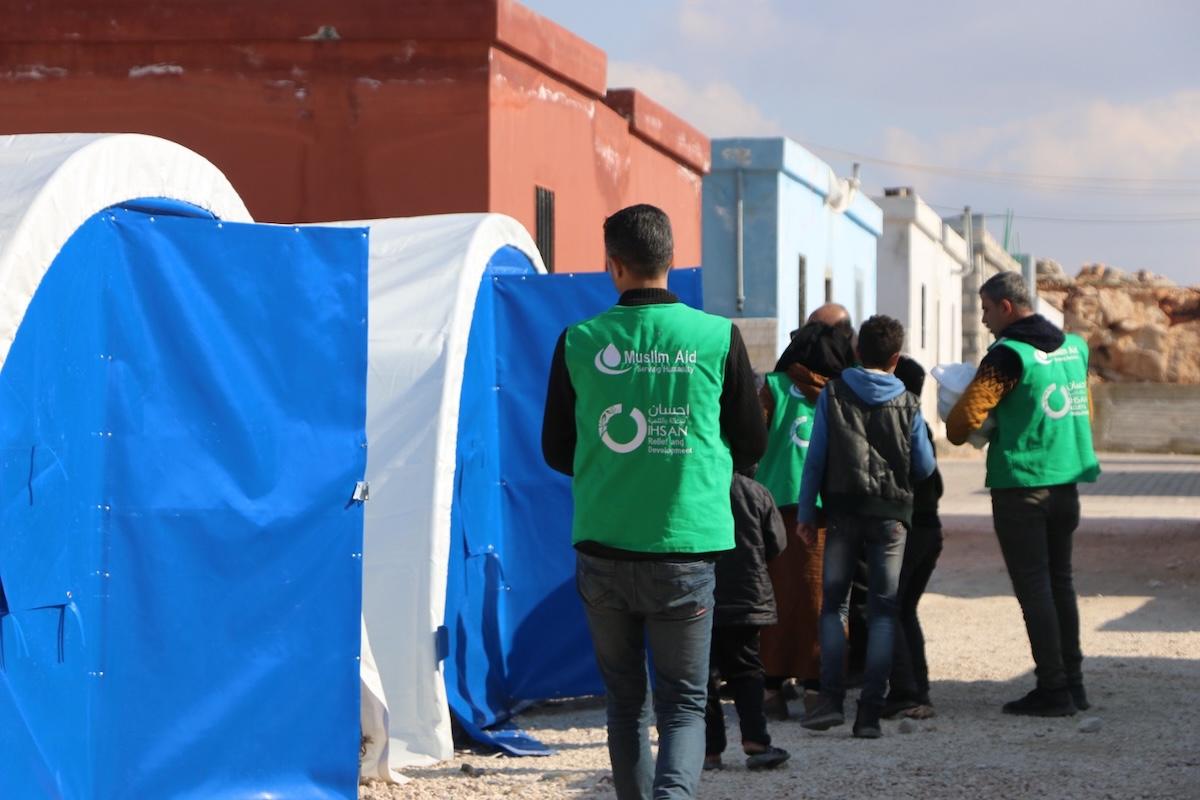
In response to the increasing humanitarian needs in Syria, Muslim Aid is responding to both protracted crises and rapid onset emergencies through improving the resilience of households in camp and non-camp settings. This includes continued support to communities affected by the devastating earthquake in February 2023. Muslim Aid is aiming to meet the basic needs of individuals in Northwest Syria, through the provision of food and non-food assistance, as well as the delivery of winterisation and shelter support. Muslim Aid is committed to responding to emergencies in Syria through the provision of relief and recovery efforts to support communities following a disaster.

9000
people provided emergency humanitarian assistance
1200
Ready-to-eat Meals distributed
100
earthquake-affected households with shelter
1000 Ltr.
Fuel distributed
13
6 Health Facilities and 7 Hospitals




We are a faith-based British international charity that provides help to people who are victims of natural disasters or conflict or suffering from poverty, hunger, disease, homelessness, injustice, deprivation or lack of skills and economic opportunities.
© Copyright 2026. Muslim Aid - Help Muslims Around the World in Need . All Rights Reserved.
Charity CIO No. 1176462
Serving humanity since 1985.