This crisis is exacerbated by a lack of adherence to international humanitarian and human rights law, internal Palestinian divisions and the recurrent escalation of hostilities between Israel and Palestinian armed groups. The results are chronic protection concerns and humanitarian needs which will continue unabated in the absence of a sustainable political solution and opportunities for further development.
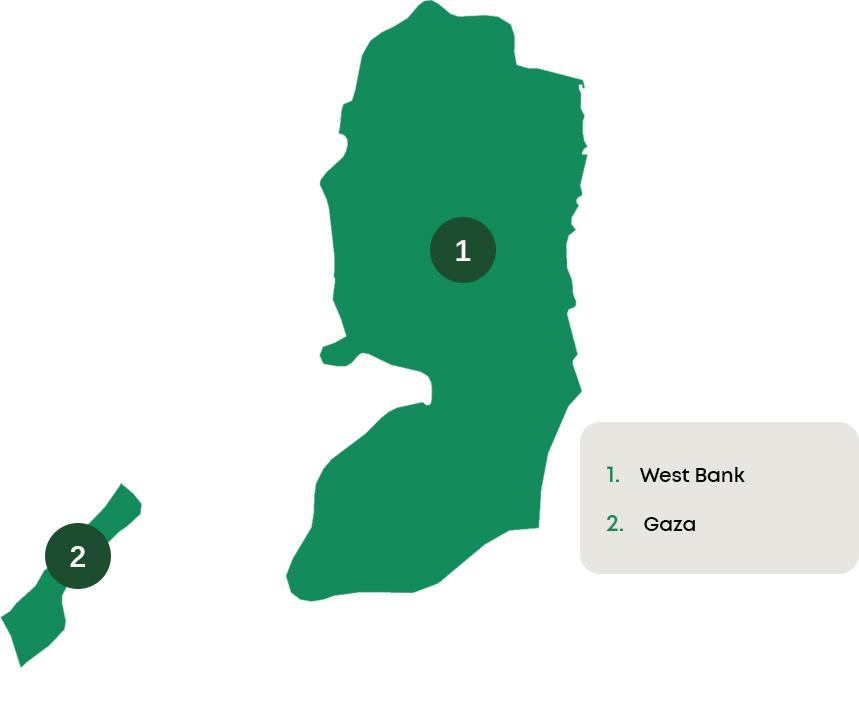
Palestine is divided into two physically distinct geographical regions, the Gaza Strip and the West Bank, with the latter further divided into East Jerusalem and Areas A, B and C. In Gaza, the Israeli occupation and 15 years of an Israeli-imposed blockade/movement restrictions has contributed to Gaza’s dire living conditions. In June 2007, following the takeover of Gaza by Hamas, the Israeli authorities implemented a blockade/movement restriction, virtually isolating the 2.2 million residents in Gaza from the rest of the OPT and the world more broadly. This land, sea and air blockade on the Gaza Strip intensified previous restrictions, imposing strict limits on the number and specified categories of people and goods allowed through the Israeli-controlled crossings. The recent and ongoing incursion of Israeli forces from October 2023 has caused the most devastating humanitarian collapse, public health and food disaster, contributing to a complete reversal in development.
Disclaimer:
The situation in Gaza is highly dynamic and fluid. Our programming adapts daily to changing restrictions, emerging access limitations, and security risks. All activities described here reflect operations as of November 2025 and are subject to change.
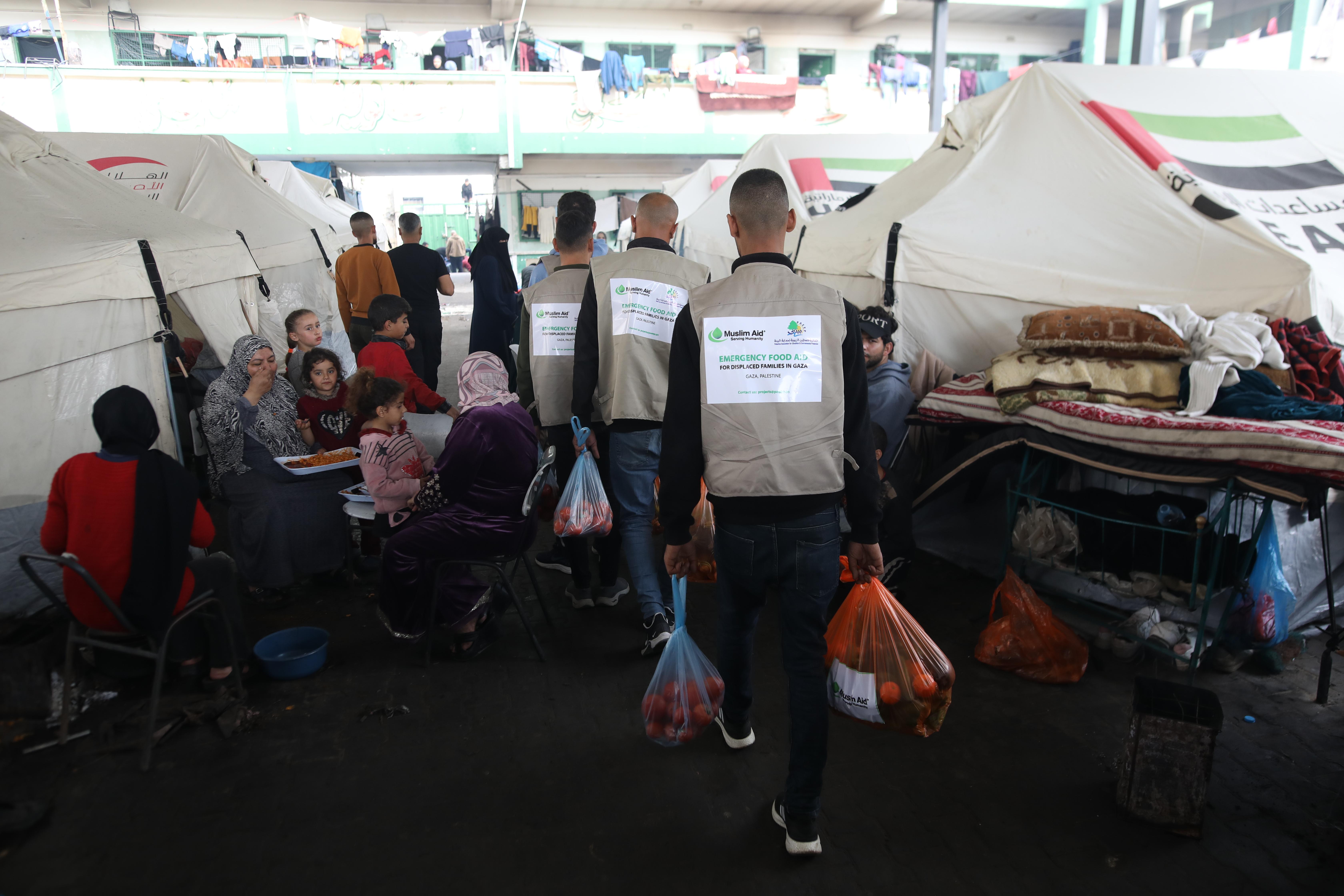
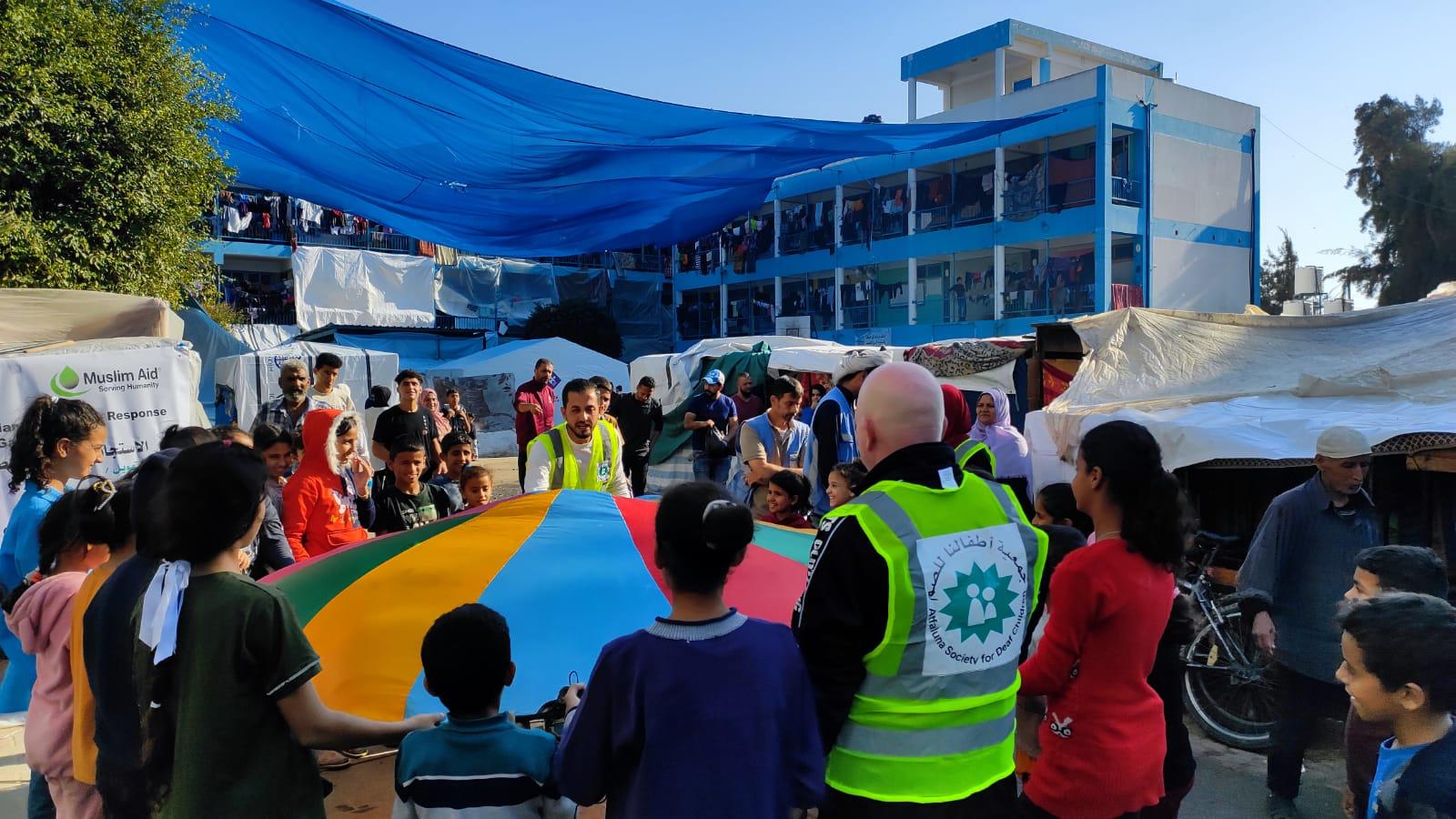
Muslim Aid is delivering shelter, food, and psychosocial support to displaced families. A very small number of individuals also receive livelihoods support. Winter assistance, focused on shelter and non-food items, began in November 2025.
Aid targets all families displaced from their homes, with priority for the most vulnerable, including women, children, people with disabilities, and those forced to flee under threat. While priority is given to the most vulnerable, all displaced individuals face dire needs after losing their homes and possessions.
Food is locally procured from trusted vendors in central Gaza. Each family currently receives two hot meals per day, including vegetable stews (like zucchini and eggplant) and dry meals such as lentils.
Inflation and supply constraints have dramatically reduced purchasing power. Before the escalation, $15 could cover a modest family food basket. By July, a single hot meal was priced at approximately $60 per family per day, making food provision one of the most pressing operational challenges for partners on the ground.
The primary challenge is restricted access combined with inflated prices and damaged infrastructure. Israeli-controlled border permits severely limit the quantity and type of goods entering Gaza, while local markets have high prices and limited supplies. Partners also face electricity shortages, fuel scarcity, disrupted communications, and security risks, all of which make aid delivery unpredictable and expensive.
This combination of access restrictions and cost inflation is the key operational constraint affecting all humanitarian work in Gaza.
When possible, Muslim Aid is able to deliver aid to Gaza through Israeli-controlled borders, where permits are required. Limited supplies are transported via coordinated humanitarian convoys. When border access is restricted, we rely on pre-stocked inventories and local procurement from suppliers and farmers.
All programming is implemented through long-term local partners who oversee aid distribution, this includes managing contracts with suppliers for local procurement and trucking to distribution sites, as well as coordination with other humanitarian actors for beneficiary and site selection. Working with local staff is crucial, as they have the deepest understanding of the communities, needs, and locations, allowing aid to reach those who need it most even when access is severely limited.
Since Israel's invasion of Gaza City on September 16, 2025, most displaced populations have sought refuge in Khan Younis (Al-Mawasi area) and central Gaza. Some remain in Gaza City (north), under severe attacks aimed at forcing them south.
Delivering aid in Gaza remains extremely challenging due to:
These challenges, combined with soaring costs and limited access, require constant adaptation and collaboration with field partners.
The World Bank (February 2025) reports that around 80% of Gaza’s power generation and distribution assets have been destroyed. Frequent power outages disrupt healthcare, water treatment, food production, and sanitation. Humanitarian actors must rely on costly emergency repairs and alternative energy sources. Operating expenses for temporary energy solutions have increased by up to 700% in some areas, while fuel scarcity, high inflation, and logistical challenges continue to drive up costs for aid delivery.
Where is Muslim Aid currently operating in Gaza?
Deir Al Balah:
Muslim Aid works with long-term local implementing partners who manage contracts with suppliers and farmers to access critical supplies urgently needed by displaced communities. This model ensures continuity, builds local capacity, and allows us to adapt quickly to changing conditions.
Reference: World Bank. (February 2025). Gaza and West Bank Interim Rapid Damage and Needs Assessment, Sections 100–102.
74.3%
of people across the State of Palestine are projected to be living in poverty in 2024, equivalent to approximately 4.1 million people.
2 Million
1.6 million people, representing 77% of Gaza’s population, are facing crisis levels of food insecurity or worse.
2.1 Million
residents remain displaced, with many families forced to move multiple times in search of safety.
22.4%
of women and children aged 6-23 months are not meeting their nutrient requirements due to lack of minimum diet diversity)4
625,000
school-age children have experienced limited access to face-to-face learning. 97% of schools across Gaza have been damaged or destroyed.
Select an option below to view
In the West Bank and Gaza, Muslim Aid is responding to the hostilities from Israeli forces. This includes the provision of WASH, Food and NFI assistance, as well as shelter support through shelter upgrades or retrofitting, Cash voucher Assistance and Psychosocial support. This multi-sector emergency approach ensures the needs of vulnerable community members are supported.
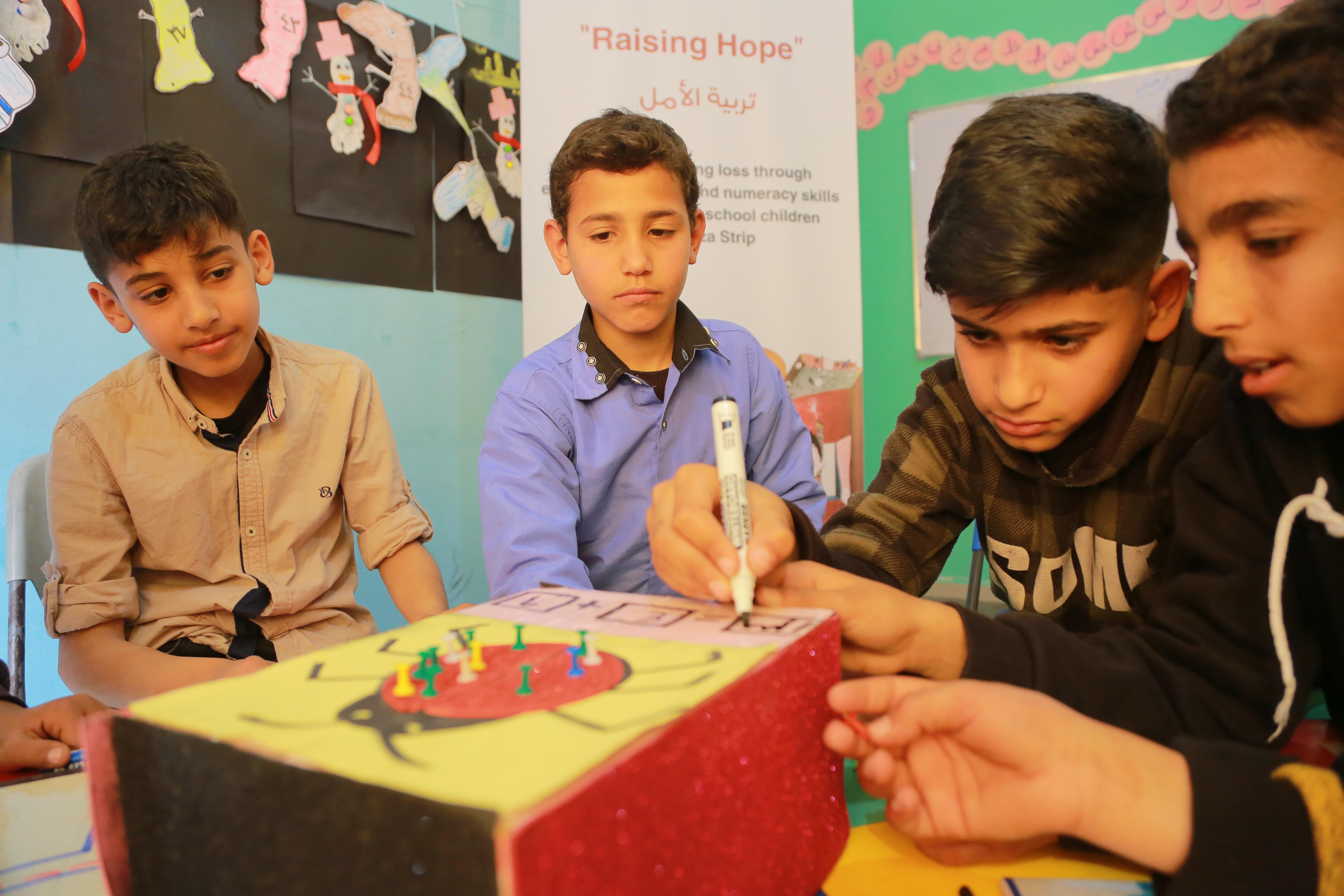
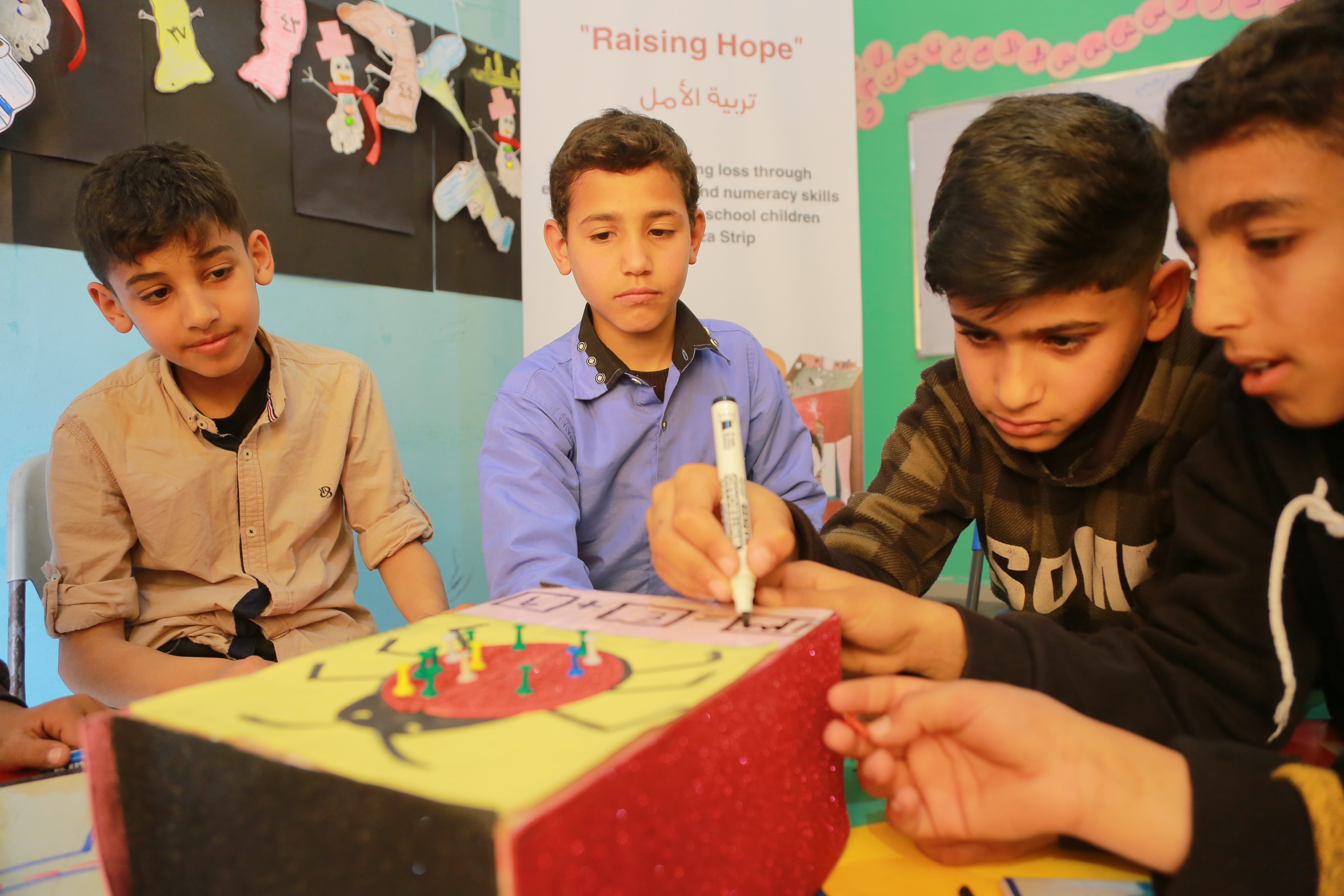
In the West Bank and Gaza, Muslim Aid is working with local organisations to improve access to quality education and to enhance the social and emotional well-being of children and their caregivers. These programmes also work to provide safe cultural spaces to create supportive learning environments for children where they can make use of their educational packages to improve their creativity, literacy and numeracy.
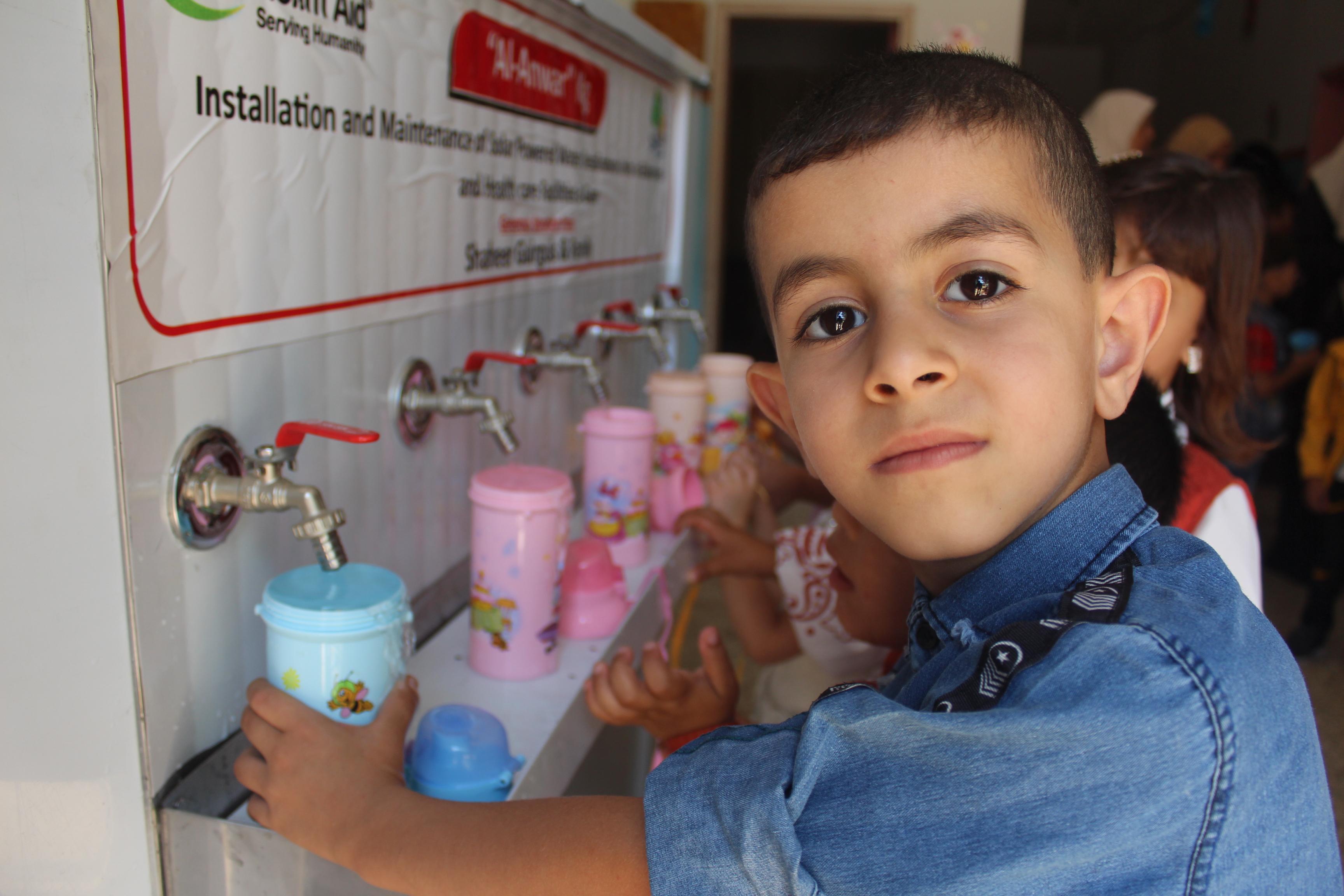
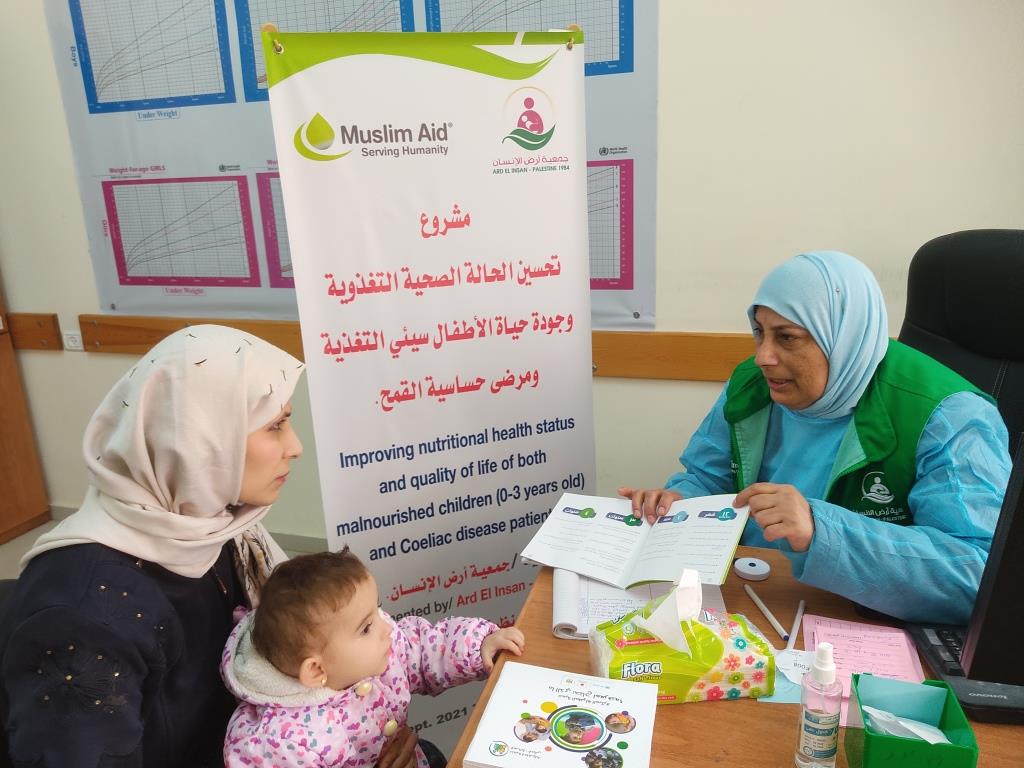
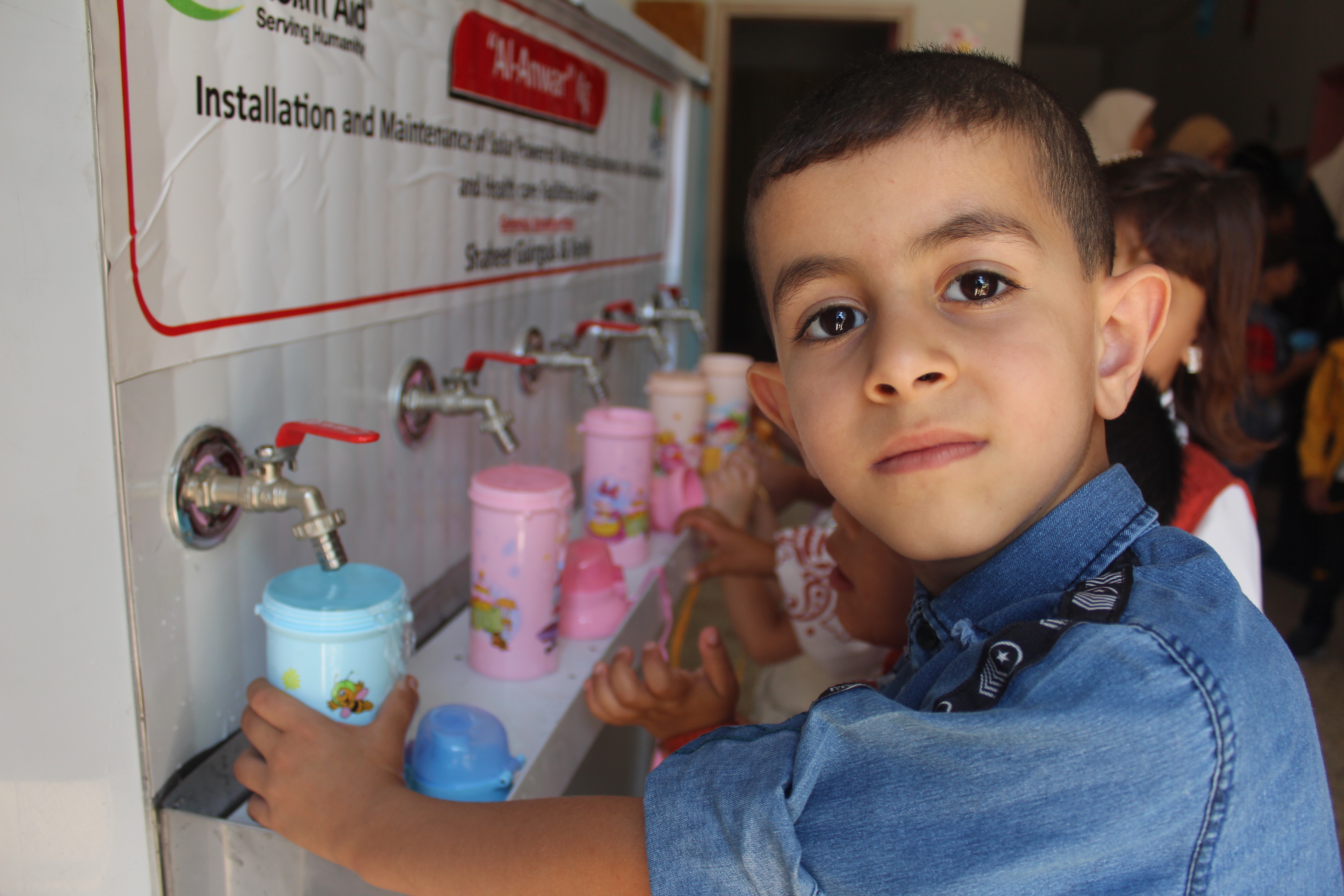
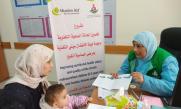
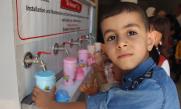
In Gaza, Muslim Aid provides critical health and nutrition support to vulnerable community members. The project contributes to improving the health and nutritional status of children and Coeliac disease patients. The project targets children whose morbidity and mortality can be associated with malnutrition or Anaemia to reduce mortality rates and improve nutritional health. In Gaza, Muslim Aid is also working to provide meaningful access to safe, dignified WASH services. This includes rehabilitation toilets and basins as well as raising awareness about personal hygiene and household water management.
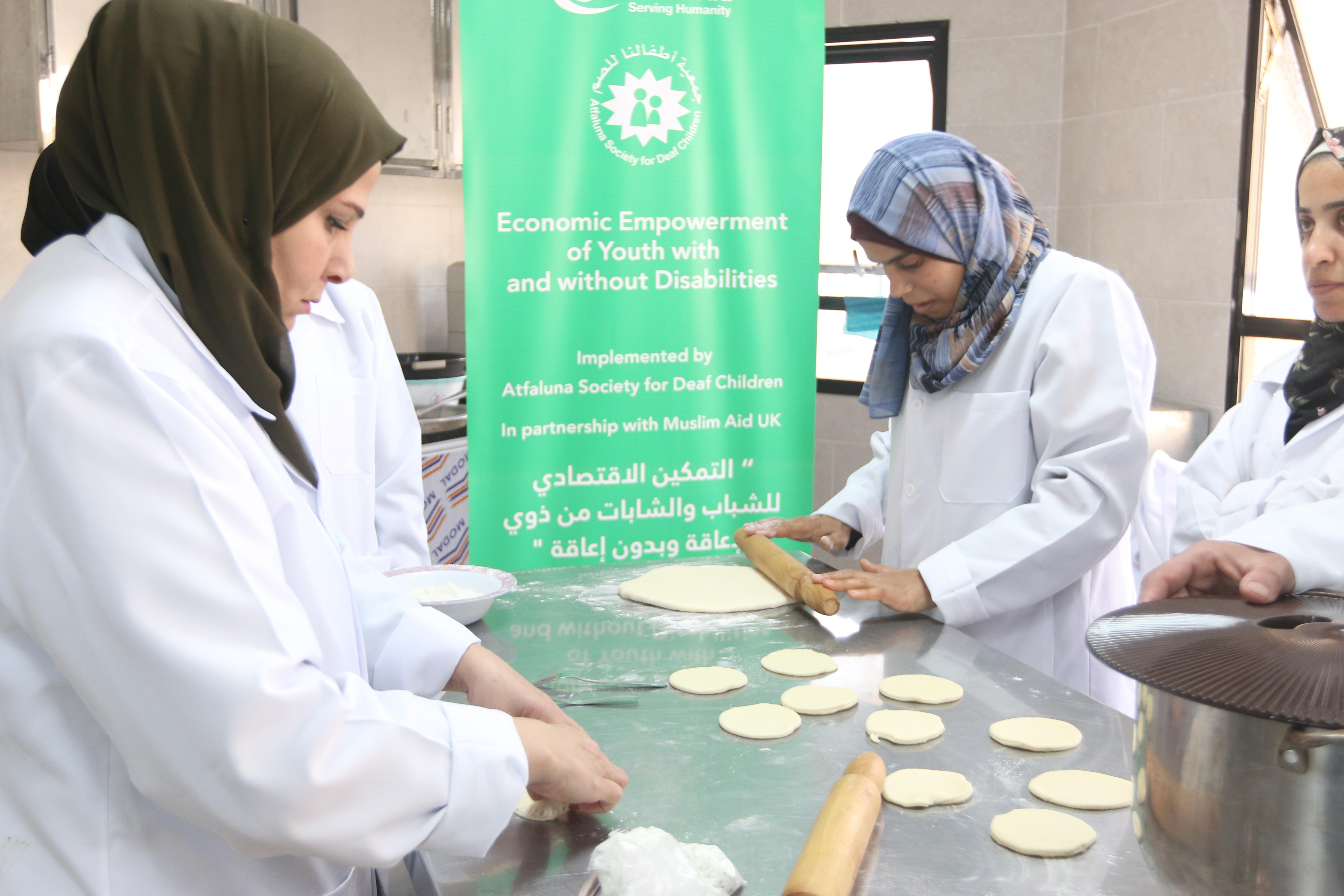
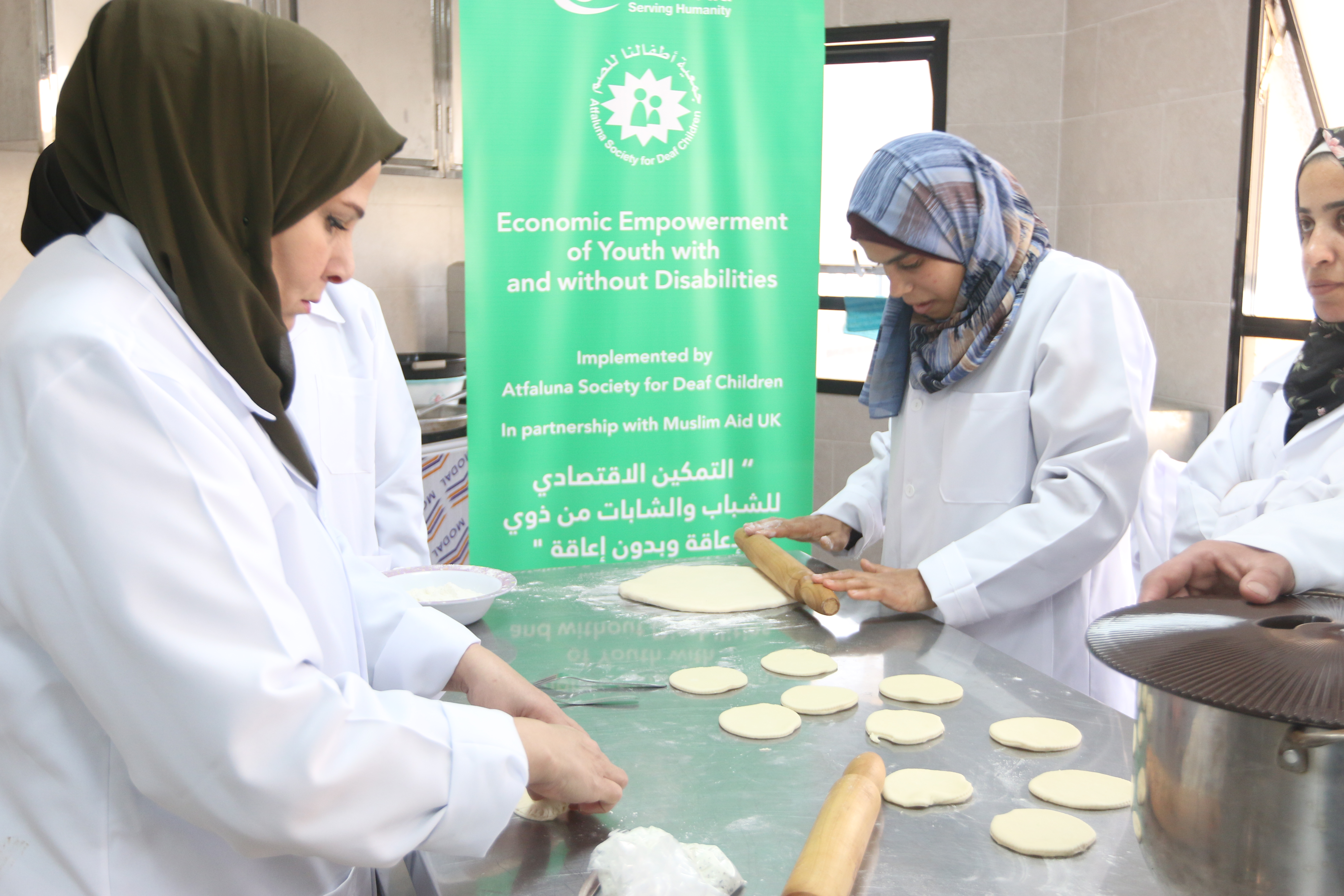
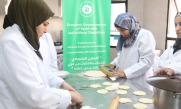
In Gaza, Muslim Aid is working to enhance the employability and entrepreneurship opportunities for youths through the provision of learning workshops and employability skills, including wood workshops, food production, embroidery etc. Individuals are provided with grants or work opportunities to support their livelihoods with the aim of becoming skilled and financially self-sufficient.
19,000
People directly supported
6,228
households received at least one nutrition service
914
people provided with hygiene kits
18,218
Delivered food packs and vouchers to people
In Gaza’s Deir El Balah, 30-year-old Amal lives with a pain no mother should endure. In a single moment of violence, she lost her children, was separated from her husband, and left with physical and emotional scars. Amal was left utterly alone.
Before the conflict, Amal had a university degree and a life full of laughter and promise. But in the aftermath, grief and trauma clouded every part of her existence. “I used to cry every time I talked about what happened,” she said. “I didn’t want anyone to speak to me. Just mentioning my burns or injuries made me want to hide.”

We are a faith-based British international charity that provides help to people who are victims of natural disasters or conflict or suffering from poverty, hunger, disease, homelessness, injustice, deprivation or lack of skills and economic opportunities.
© Copyright 2026. Muslim Aid - Help Muslims Around the World in Need . All Rights Reserved.
Charity CIO No. 1176462
Serving humanity since 1985.