Sri Lanka is a tropical country is South Asia, with fertile plains and a diverse topography. However, the country faces numerous multifaceted challenges. Vulnerable to natural disasters intensified by climate change, Sri Lanka is grappling with recurrent floods, landslides, and earthquakes. These events disrupt social progress and infrastructure development.
Emerging from a prolonged civil conflict that ended in 2009, the nation focuses on post-war recovery, reconciliation, and addressing economic disparities. Marginalized communities are still affected by the aftermath and require sustained humanitarian efforts.
In addition, the ongoing economic challenges contribute to social vulnerabilities. Humanitarian assistance plays a pivotal role, providing relief from immediate crises, rebuilding infrastructure, and fostering long-term development.
In this dynamic context, collaborative initiatives strive to enhance resilience and create a more stable future for all.

49.4%
of the population are Living below the National Poverty Line (2020)
55.7%
of the population are multidimensionally vulnerable, meaning they are deprived in at least three indicators.
82%
of multidimensionally vulnerable people reside in rural areas
70%
of households have reduced overall food consumption since 2020 due to the rising cost of food.
48.8%
of the population lacks disaster preparedness
Select an option below to view
Muslim Aid is dedicated to advancing education in Sri Lanka through impactful programs. The organisation focuses on improving access to quality education for all, with a particular emphasis on marginalized communities. Initiatives include the construction and renovation of schools, provision of educational materials, and support for teachers. Muslim Aid also implements scholarship and counselling programs to ensure that children have the opportunity to pursue and complete their education by attending school regularly. Muslim Aid contributes to building a more educated and empowered society in Sri Lanka by fostering a conducive learning environment and addressing barriers to education. These efforts align with the organisation's commitment to breaking the cycle of poverty through the transformative power of education.

Muslim Aid Sri Lanka actively engages in livelihood support programs, empowering communities to rebuild and sustain themselves. Through skills development initiatives and income-generating projects, the organisation fosters economic resilience among vulnerable populations. These efforts include vocational training, entrepreneurship support for variety of sectors such as agriculture, livestock and fishing, and the provision of resources to kickstart small businesses. These targeted interventions aim to enhance economic opportunities, particularly for marginalized groups, fostering self-reliance and paving the way for a more stable and prosperous future for individuals and families across Sri Lanka. By addressing the root causes of poverty and promoting sustainable livelihoods, Muslim Aid Sri Lanka contributes to the long-term well-being of communities.

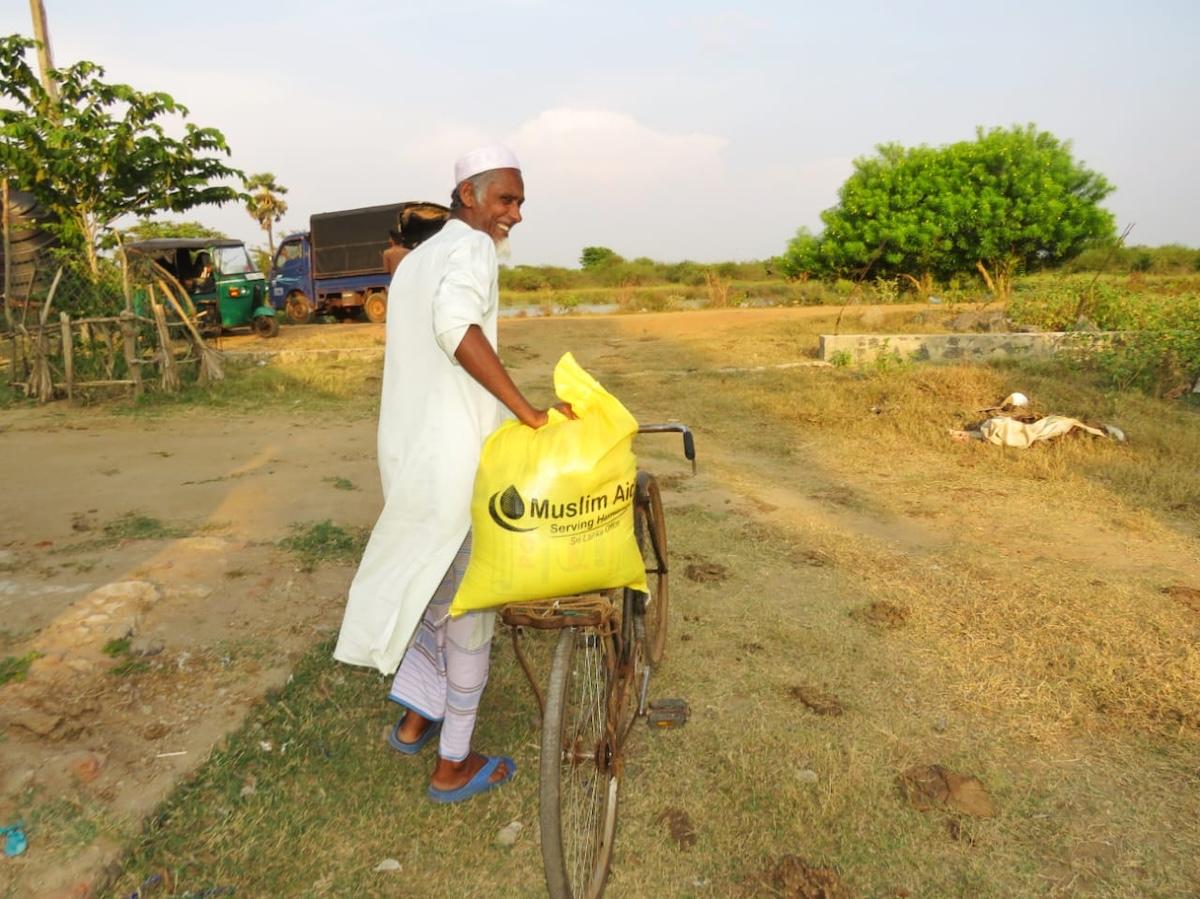
Muslim Aid Sri Lanka plays a crucial role in humanitarian and emergency response efforts, demonstrating unwavering commitment to alleviating suffering in Sri Lanka. The organisation swiftly mobilises resources to provide vital assistance during crises, including natural disasters and conflict situations. Through strategic partnerships and community engagement, Muslim Aid Sri Lanka delivers essential aid such as food, hygiene, shelter, and medical assistance to those in need. This inclusive approach ensures that vulnerable populations, irrespective of background, receive timely support. By prioritising the most affected areas and collaborating with local authorities, Muslim Aid Sri Lanka contributes significantly to the country's resilience and recovery, embodying the principles of compassion and solidarity within humanitarian endeavours. Muslim Aid Sri Lanka also builds the capacity of vulnerable communities in disaster-prone areas through its thematic programmes under the inclusive approach of Disaster Risk Reduction.
4,000
Students improved access to quality education
18
Renovated 5 school libraries, 8 learning spaces and constructed 5 toilets
4,000
Conducted awareness raising on the importance of education for almost 400 parents
500
People increased access to livelihood activities
100
dairy and agricultural farmers training provided

In the quiet village of Ayiliyadi in Sri Lanka’s Trincomalee District, 52-year-old Rafeek has spent a lifetime working the land. Whether tending goats or labouring in rice fields, his hands have always been busy doing whatever it took to feed his wife and three children.
For over 15 years, Rafeek depended on small-scale livestock rearing to scrape together a living. With only four goats of his own, and occasional day labour herding others’ animals or farming on contract, he made less than £50 a month. It was never enough, but somehow, he managed to get by.
Then the COVID-19 pandemic hit. Prices rose, demand fell, and the already fragile income he relied on disappeared. Feed became unaffordable, and opportunities to work dried up. It felt like the final blow.


We are a faith-based British international charity that provides help to people who are victims of natural disasters or conflict or suffering from poverty, hunger, disease, homelessness, injustice, deprivation or lack of skills and economic opportunities.
© Copyright 2026. Muslim Aid - Help Muslims Around the World in Need . All Rights Reserved.
Charity CIO No. 1176462
Serving humanity since 1985.