Despite a recent tourism boom, people in Bosnia and Herzegovina have struggled to overcome the impact of the war and genocide of 1992-1995, which shattered infrastructure and made Bosnia and Herzegovina one of the poorest countries in Europe. About half of its population was displaced during the conflict and lost loved ones, homes and livelihoods. The impacts are still being felt, and unemployment levels are high, particularly for a disenchanted young generation.
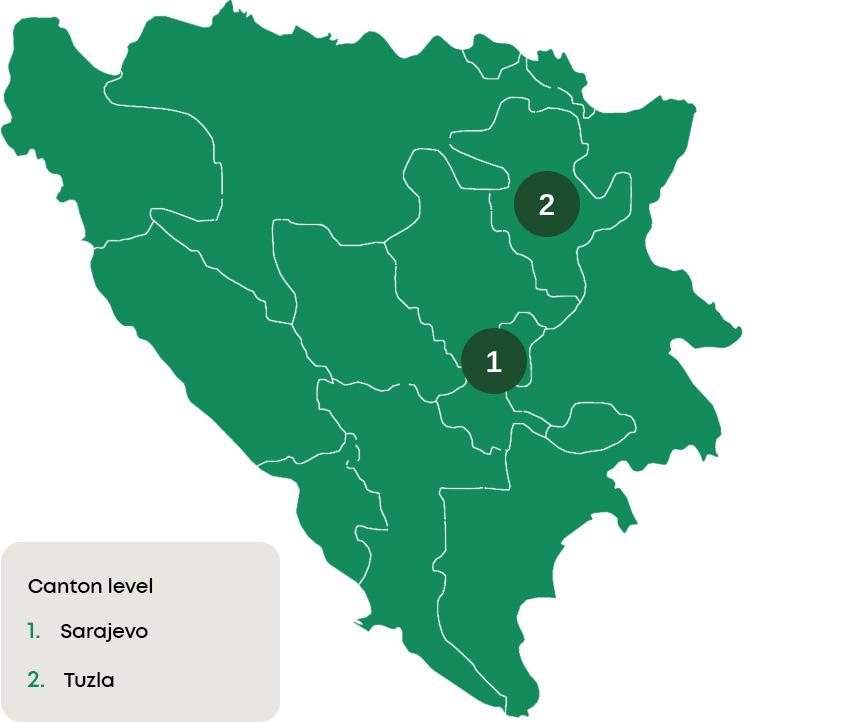
Bosnia and Herzegovina is an administratively complex country with a unique architecture of jurisdiction and authority. The constitutional and political system of Bosnia and Herzegovina was established at the end of 1995, when the Dayton peace agreement was signed that ended the four-year war. This resulted in the country's territorial division into two administrative units. This complex governance arrangement creates significant challenges for setting strategic objectives, policy coherence, and ensuring the effective delivery of public services.
16.9%
Of the population live below the poverty line (UNFPA, 2019)
33.5%
Youth unemployment rate, between ages 15-24 years old
31.1%
Of the population have limited access to healthcare
Select an option below to view
Muslim Aid Association in Bosnia and Herzegovina is working towards ensuring all children have access to quality education through strengthening the capacity of primary schools, providing support to students, teachers and parents. This holistic approach includes infrastructure work, the rehabilitation of WASH facilities, the installation of playgrounds, equipping schools with furniture and vital teaching equipment, and providing training for teachers and parents.
This inclusive concept of education also refers to the integration of children with special educational needs into the formal education system, including raising awareness about the rights of children with disabilities, and changes and modifications in content, approaches, structures and strategies, all with the aim of ensuring quality education for all children.

Due to its favourable soil and climatic conditions, agriculture and farming have traditionally been an important economic activity in Bosnia and Herzegovina. Before the 1992-1995 war, half of the population were engaged in sustainable rural employment and income earning. However, the war devastated this sector, and the extended period of transition stalled its recovery. Though, in recent years, some positive trends have been seen within this sector, particularly in vegetable production.
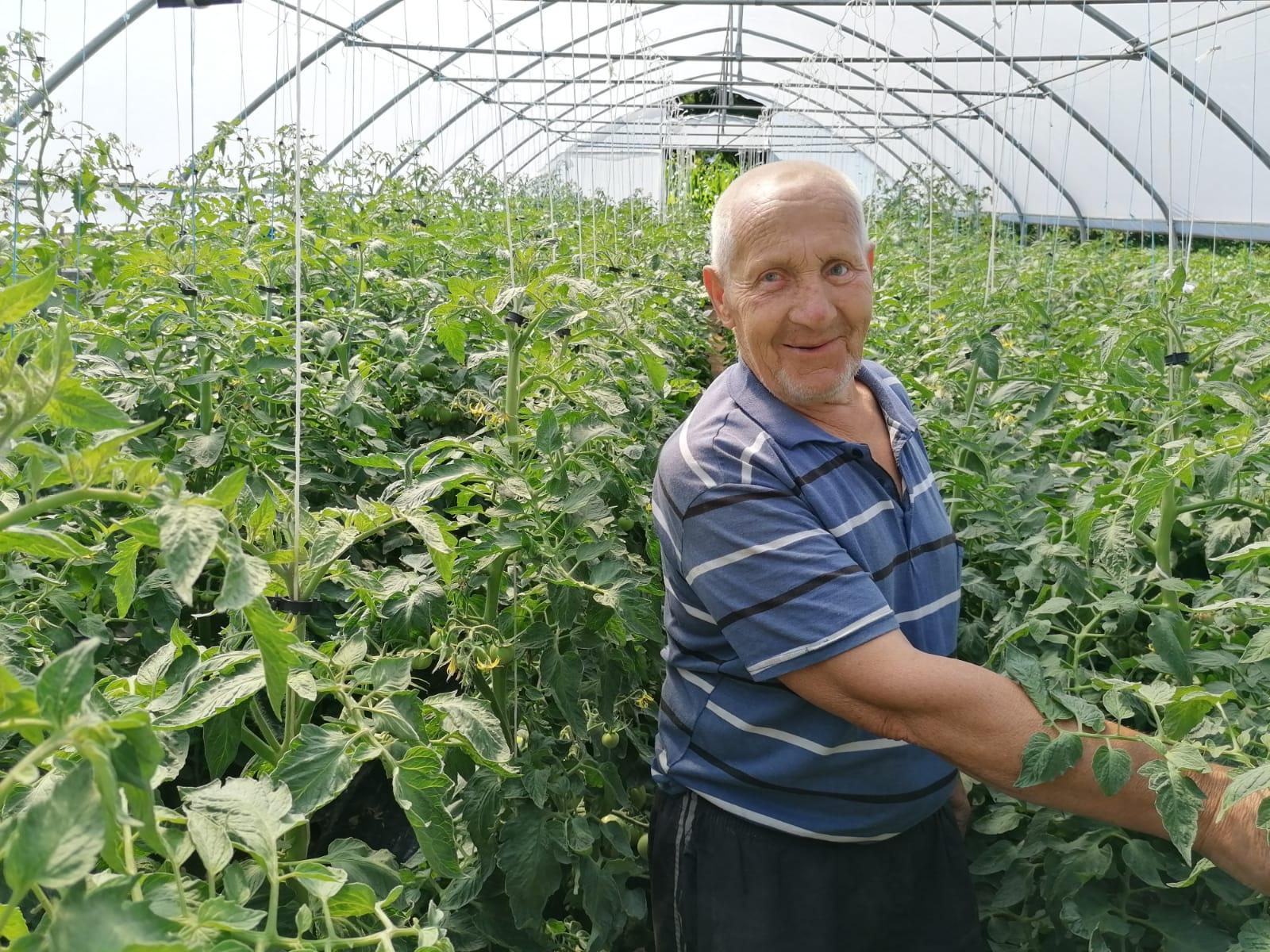
Muslim Aid Association in Bosnia and Herzegovina is committed to implementing sustainable livelihoods projects, providing long-lasting change for the communities we work with. Programmes work towards economically empowering people through the allocation of start-up packages, knowledge and skills training and improved value-addition across the production of vegetables in greenhouses, beekeeping and animal husbandry.
300+
Supported over 300 families with livelihood supplies including the distribution of greenhouses, bee colonies and cattle
1,400+
Directly improved access to quality education for over 1,400 children
100
Provided teacher training to 100 teachers
120
Renovated two WASH facilities increasing access to dignified conditions for over 120 children with disabilities
300
Fully equipped a playground providing almost 300 children with and without disabilities with access to play materials
For years, the Ivan Goran Kovačić Primary School in Gradac stood beneath a silent threat.
The roof that sheltered 686 students and 71 staff members was made of a material once praised for its durability, now known for its deadly impact: asbestos. Asbestos fibres, when airborne and inhaled, can cause long-term, irreversible damage to human health, especially for children whose lungs are still developing.





We are a faith-based British international charity that provides help to people who are victims of natural disasters or conflict or suffering from poverty, hunger, disease, homelessness, injustice, deprivation or lack of skills and economic opportunities.
© Copyright 2026. Muslim Aid - Help Muslims Around the World in Need . All Rights Reserved.
Charity CIO No. 1176462
Serving humanity since 1985.