The number of internally displaced people has risen to almost 2 million, and approximately 96% of the overall population is either in humanitarian need or facing poverty risk.
Natural disasters have continued to impact Myanmar, adding another challenge on top of active conflict, leading to an increase in displacement, loss of livelihoods and additional hardship for the affected people: communities’ resilience and social cohesion is deeply eroded by the combination of conflict and natural disaster and as result the loss of livelihoods determines the phasing of the most vulnerable groups into dependency from humanitarian aid to meet their basic needs.
MA Livelihoods Social Enterprise (MALSE) is a company established in Myanmar that provides consultancy services to improve a wide range of livelihood activities, including technical services, surveys, safety and security on livelihood operations, investments and donor grant management for activities that protect livelihood assets, improve livelihood productions and build better job opportunities for the people of Myanmar.

96%
of the overall population is now facing either humanitarian needs or poverty risk (UN, HRP 2023)
30%
of the overall country population is in need of Humanitarian Assistance (UN, HRP 2023)
26%
of the overall country population is food insecure (UN, HRP 2023)
2nd
Second most affected country in the World by the impacts of extreme climate events over the last two decades (Global Climate Risk Index, 2023)
2 Million
people are internally displaced by either conflict of natural disasters as of October 2023
Select an option below to view
In 2023, Myanmar ranked the second most affected country by the impacts of extreme climate events over the last two decades globally (Global Climate Risk Index, 2023). By protecting the assets that provide livelihoods to vulnerable communities, MALSE extends protection mechanisms from households to communities, through disaster risk reduction intervention, climate insurance and multi-purpose financial tools that will help communities to rapidly recover after a disaster. The lack of tools for the rapid or anticipatory action has so far determined the compounding of severe needs, with large parts of vulnerable groups – especially women – losing the hard gained development progresses and sliding into poverty, needs for humanitarian assistance and displacement. MALSE aims at targeting the root causes of this negative and prevent the impoverishment of communities and vulnerable groups.

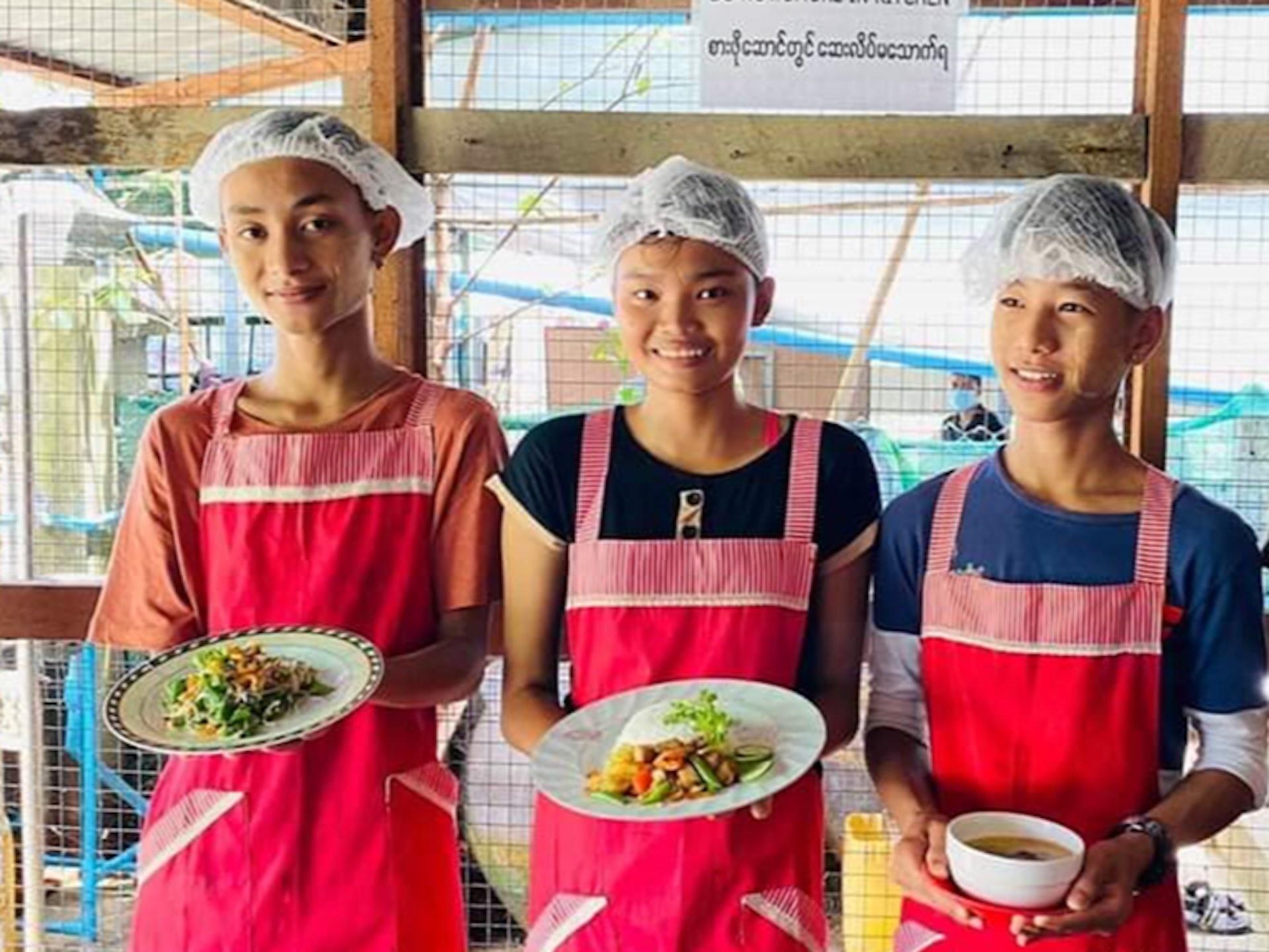
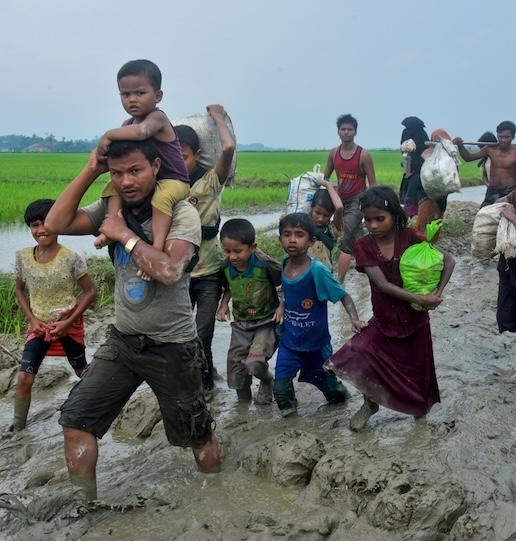
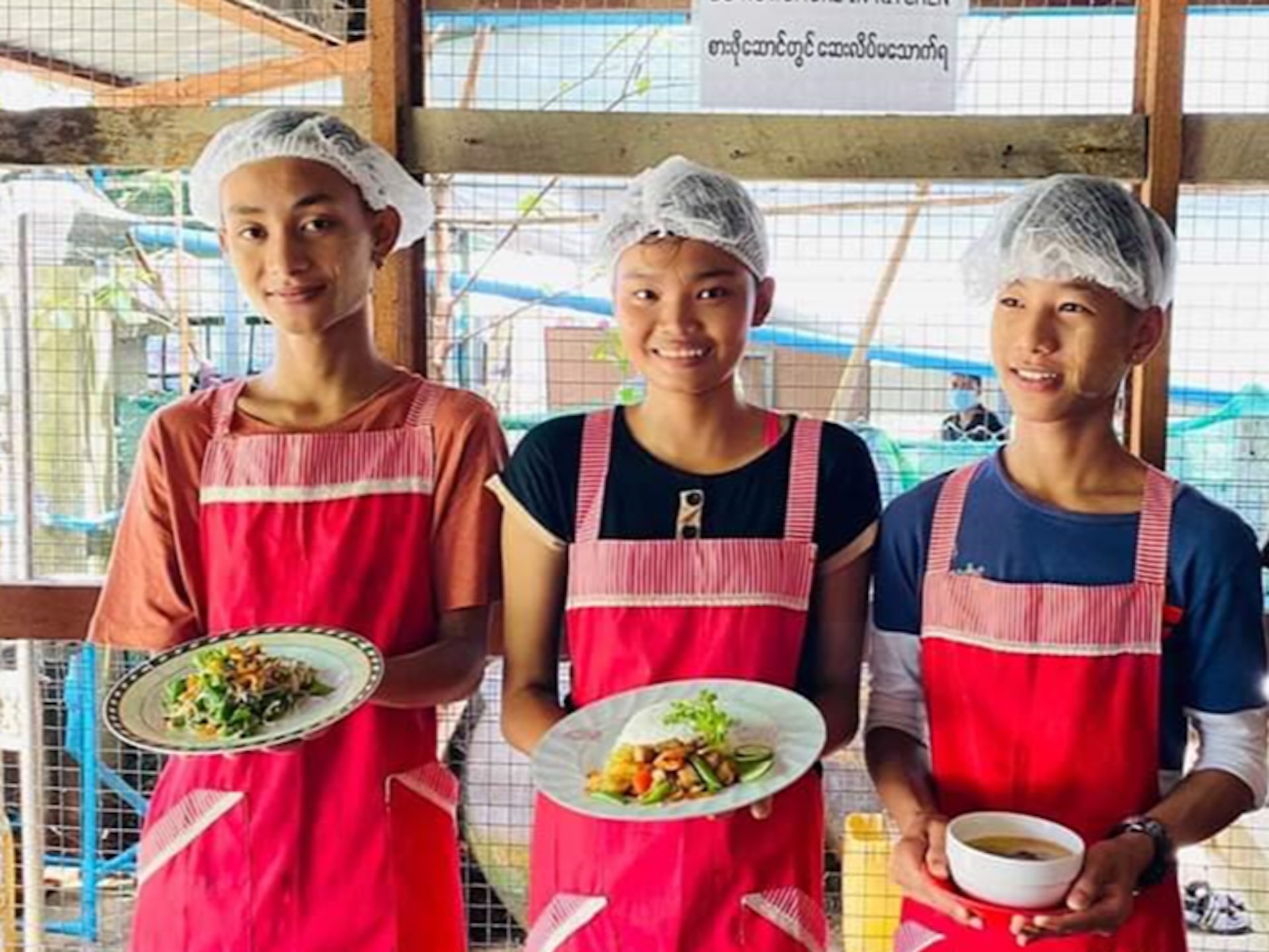
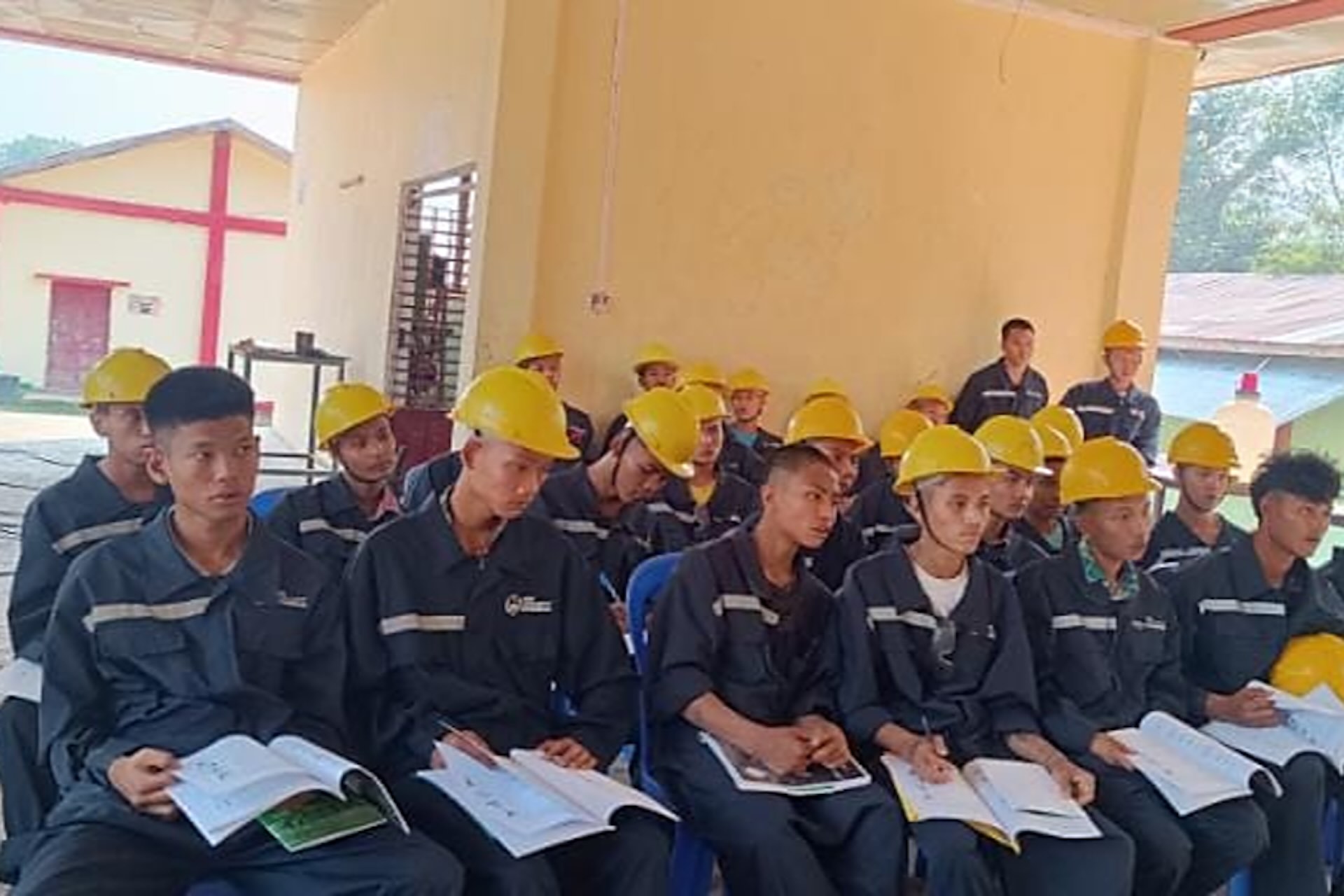
Discriminatory policies of Myanmar’s government since the late 1970s have compelled the Rohingya - the Muslim ethnic minority group of Myanmar – to flee their homes and at the beginning in 2017 renewed violence triggered an exodus of hundreds of thousands. Myanmar Law prohibits Rohingya adolescents and children from leaving the displacement sites, yet every year hundreds migrate illegally looking for better livelihood opportunities, health and education. When travelling, youth and adolescent are at high risk of exploitation and of being arrested and sentenced to a detention period ranging from months to years in a Youth Rehabilitation Centres, along with street children and other vulnerable groups. MALSE supports the reintegration of the adolescents in rehabilitation centres with an integrated action that help them to heal from trauma, acquire vocational skills and secure dignified employment.
Strengthening Inter-Faith social cohesion and ecosystem restoration through food value chain. Coastal ecosystems such as mangroves have played a key role for decades in providing communities with livelihoods, strengthening the inter-Faith coexistence between Buddhists and Muslims. Natural disasters and conflicts have deeply affected the fragile coastal ecosystems, with extensive loss of livelihoods and, ultimately, the displacement of entire communities. MALSE has plans to provide technical expertise and coordination among key actors of the restoration of coastal ecosystems to restore livelihoods and community social cohesion.

27,000+
people supported with WASH provisions
3
installed safe water drinking points
14,000
people provided with hygiene products
1100+
Renovated sanitation facilities
400
Supported displacement-affected individuals with ongoing business development schemes
When crises hit, whether conflict, climate disasters, or forced displacement, girls are among the first to be pulled out of school and the last to return. In Myanmar, years of instability have left many girls suspended in uncertainty. Education halted. Dreams deferred. Futures on hold.
But what if a single line of code could stand to reprogram the path to protection, employment, and long-term change?
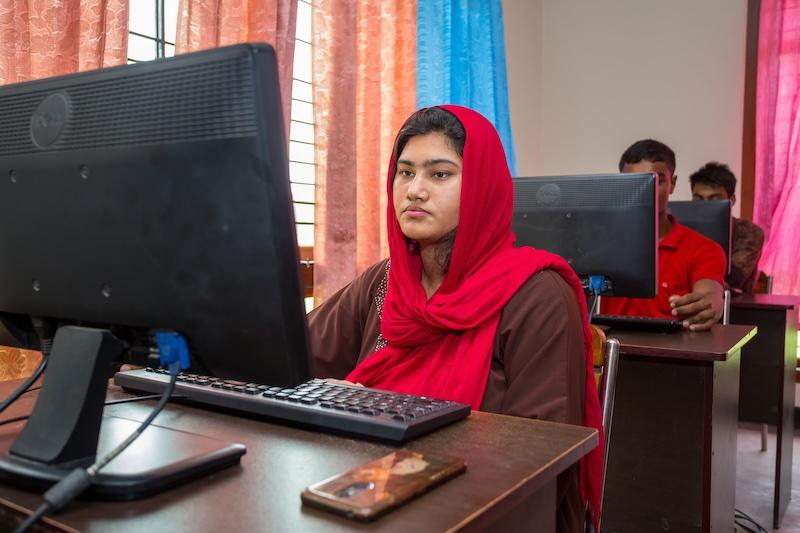
This is the vision behind Muslim Aid’s Safe Girls Coding Club, part of our broader Women and Girls First initiative. In 2024, as Myanmar continued to face the cascading effects of COVID-19, military conflict, and poverty, over 500 girls stepped into newly formed coding spaces where they learnt skills that supported them in reclaiming their futures.




We are a faith-based British international charity that provides help to people who are victims of natural disasters or conflict or suffering from poverty, hunger, disease, homelessness, injustice, deprivation or lack of skills and economic opportunities.
© Copyright 2026. Muslim Aid - Help Muslims Around the World in Need . All Rights Reserved.
Charity CIO No. 1176462
Serving humanity since 1985.