Ramadan is a blessed month that holds a deep meaning for Muslims all around the world. It is a time to reconnect with your faith and purify the heart through the means of fasting, praying, giving charity, and reflecting on oneself. Every year, Muslims look forward to Ramadan, using the month as a chance for spiritual growth. This year, Muslim Aid have put together a guide for Ramadan 2027, inviting you to join us in preparing your mind and soul for a month filled with compassion and devotion.
It is obligatory upon every Muslim to fast in the month of Ramadan. However, the month of Ramadan is more than just abstaining from food and drink during daylight hours. It is a journey that teaches every believer the spirit of patience, gratitude, and self-control. Fasting reminds us of the struggles of those less fortunate, encouraging acts of kindness and generosity along the way. It is a time in which many work to let go of the worldly distractions around them, focusing on prayer and the remembrance of Allah.
The holy month of Ramadan brings people together through shared meals and nightly prayers. Families and friends come together at sunset to break their fast, and mosques fill up in the night with worshippers offering their Taraweeh prayers.
It is key to be prepared if you wish to make the most out of Ramadan. With the weeks leading up to the month, it is important to take the time to plan a routine for the coming weeks, targeting to reach your spiritual goals. You may want to reflect on what you wish to achieve. This could be from improving your prayer, to reciting more of the Quran, the aim is to make sure you leave the month satisfied with the efforts you put in during the month to attain the closeness of Allah.
Organising your daily schedule can help you remain consistent once fasting starts. What would help is adjusting your sleep patterns so that you’re able to wake up for your early suhoor meal and participate in the late-night prayers. If you like to snack during the day, it’s best to reduce them beforehand so that your body can adapt to the fasting month. For the coffee lovers, it may be best to cut down on your caffeine intake during the day before Ramadan commences.
Preparing your spiritual self is also equally important. You should work on increasing your remembrance of Allah through the performance of voluntary prayers and making sincere dua to Him. The more effort you put into preparing your heart for the month, the more fruitful your Ramadan will be.
Fasting is the fourth Pillar of Islam, and during Ramadan, it becomes an act of deep devotion. From dawn until sunset, Muslims around the world refrain from eating and drinking. The fast is carried out as a mandatory act in Islam, in place to purify the soul, and to obey the commandment of Allah.
You must remember that intention is key when it comes to fasting. You should begin each fast with sincerity and the intention to please Allah. Suhoor, the early morning meal, provides the energy required to get you through the fasting day. It is the Sunnah of the Prophet Muhammad (Peace be Upon Him) to have the Suhoor meal, and so it is highly recommended.
Iftar, the evening meal, is the time when families come together to break their fast, an evening filled with gratitude for the meal in front of you after a long day of fasting. The Prophet Muhammad (Peace be Upon Him) would break his fast with dates and water. It has been narrated that the Prophet Muhammad (Peace be Upon Him) has said “When one of you breaks his fast, let him break it with dates for they are blessed. If they are not found, let him break it with water for it is pure.” [Tirmidhi]
The purpose of fasting is to teach us humility and self-control, and so you must remain calm during the day, avoiding any confrontation and distractions, reminding yourself about the weight of patience in this month.
The Prophet (Peace be Upon Him) has said, “There is nothing more honourable in the sight of Allah than supplication” [Bukhari]
Supplicating during Ramadan holds a special power. Every Muslim should take advantage of this blessed month and make sincere dua for forgiveness and guidance.
One of the most well-known duas during Ramadan is
Allahumma Inaka ‘afuwwun tuhibbul ‘afwa fa’fu ‘anni
O Allah, You are Forgiving and love forgiveness, so forgive me.
The Messenger of Allah (Peace be Upon Him) has said; “Three supplications will not be rejected by Allah, the supplication of the parent for his child, the supplication of the one who is fasting, and the supplication of the traveller.” [Tirmidhi]
Any dua made during fasting, at iftar, or during the last ten nights, especially on the night of Laylat al-Qadr, are moments when the mercy of Allah is abundant. This is the time to make dua for yourself and your loved ones, the ummah, and the ones facing difficulty around the world.
“Three men whose duas are never rejected (by Allah): when a fasting person breaks their fast (in another narration, the fasting person until he breaks his fast), the just ruler and the one who is oppressed.” [Tirmidhi]
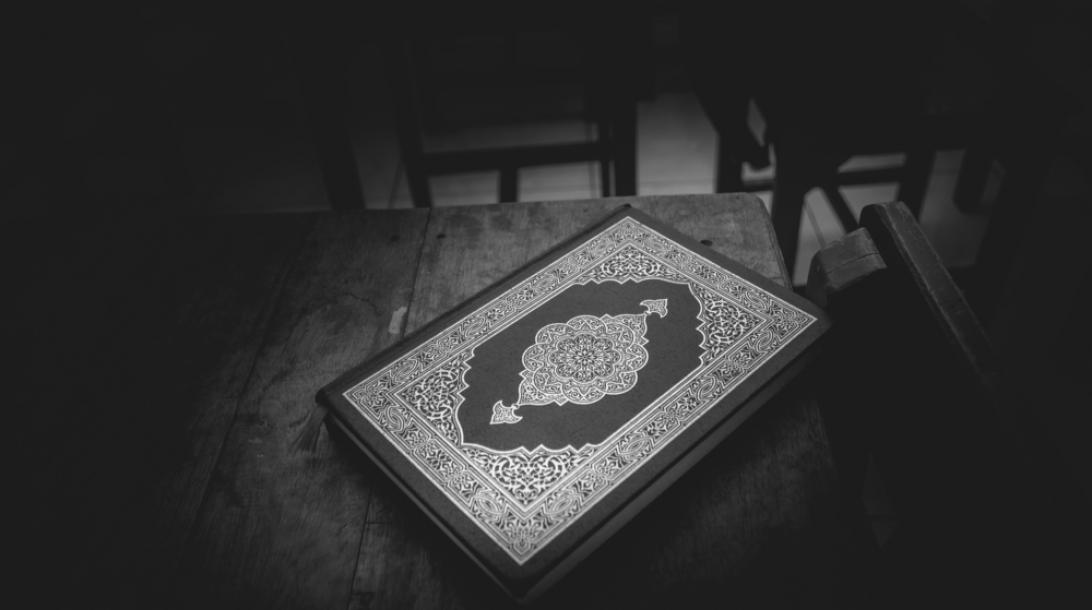
One of the goals many Muslims set themselves for the month of Ramadan is to finish the Quran, with the aim of strengthening their connection with the words of Allah. it goes without saying that to finish the Quran in 30 days requires consistency and dedication. The most practical approach would be to divide the Quran into 30 parts, reading one section (juz) each day.
Finding time after each prayer, before Iftar and after Suhoor will help you reach your goal. If it is hard to find time, some choose to listen to the recitation of the Quran whilst commuting, working or resting. The purpose is not just to finish the Quran, but to understand it and the message behind it.
The more the Quran is recited, the more the heart finds peace. Behind the words of Allah are the beautiful reminders and guidance to get us through life, and if we make it a habit to recite in the month of Ramadan, then this act can be carried forward long after Ramadan ends.
Completing the Quran during Ramadan can feel like a great achievement, and the rewards for such go beyond just that. Finishing the Quran is a sense of reflection of your devotion to the revelation of Allah. Every letter recited and understood can bring multiple rewards, and the peace from it can transform your outlook on life.
The reward doesn’t just sit as a spiritual one, but can be an emotional one too, as it strengthens the connection between you and your Creator, increasing your gratitude for being guided by His words.
The completion of the Quran serves to remind us that Ramadan is more than just fasting. It’s about getting closer to the Lord of the worlds, through seeking his guidance and worshipping him.
Ramadan is a month of gratitude, giving, and caring for those in need. Giving charity is in the heart of Ramadan, with Zakat being the most important form of charity made by many in the month of Ramadan. Zakat, the fifth Pillar of Islam, is obligatory upon every eligible Muslim, commanded by Allah for a believer to give a portion of their wealth to those in need.
Using a Zakat Calculator helps make the calculation process easier, helping you find out the amount you need to give based on your savings, investments and possessions, making sure what you donate meets the Islamic requirement. You can use our Muslim Aid Zakat Calculator here to find out the amount you need to donate.
Giving charity during Ramadan benefits the one who receives, but also multiplies your own rewards. It reminds us that all the blessings we have come from Allah and sharing them with others only strengthens our own faith.
Whilst Ramadan is the perfect time to reflect, it is also a celebration of gratitude and community gatherings. It’s a time to find joy in every act of worship carried out. Sharing iftar meals with families and friends, inviting neighbours or extending any acts of kindness to strangers are all rewarding in this month. It is also the Sunnah of the Prophet Muhammad (Peace be Upon Him) to help the ones who are fasting and break their fasts together.
As the month of Ramadan comes to an end, celebrations continue with Eid al Fitr, a festival to celebrate the month of blessings that has just passed. It is the perfect time to thank Allah for giving you the strength to complete your fasts and show gratitude for all that He has blessed you with. Before the Eid prayer, Muslims give Zakat al Fitr, a payment made to help those in need who are deprived of celebrating this holy day. Zakat ul Fitr ensures that no one is left out in celebrating this joyous occasion.
Muslim Aid’s Ramadan Guide is designed to help you get through this blessed month. From finding out the best way to prepare for Ramadan, or how to finish Quran in the month, this guide is in place to help you reach your spiritual goal. By following our Guide to Ramadan, you can stay motivated to make the most out of every moment in this month.
As Ramadan 2027 draws closer, let it be a time to reflect on all the blessings that we have. We pray that the blessed month brings peace, helping us to renew our faith and ultimately gain the closeness of our Lord.
May this Ramadan bring unity in our lives and endless blessings to you and all your loved ones. May Allah accept our fasting, our prayers, our duas, and our charity, making Ramadan 2027 a truly transformative and rewarding experience for all.
Why not make a donation to Muslim Aid and help bring a change to someone’s life? Any small donation can go a long way. Donate now to help someone in need.
We are a faith-based British international charity that provides help to people who are victims of natural disasters or conflict or suffering from poverty, hunger, disease, homelessness, injustice, deprivation or lack of skills and economic opportunities.
© Copyright 2026. Muslim Aid - Help Muslims Around the World in Need . All Rights Reserved.
Charity CIO No. 1176462
Serving humanity since 1985.