Ramadan, known as the holy month, is a hugely significant time in the Islamic lunar year. Muslims all over the world look forward to this sacred time because it provides them with the rare opportunity to strengthen their faith and connection with Allah (SWT). They can seek forgiveness for past sins and come out of the month renewed and focused on their faith. This holy month is a time for fasting, spiritual growth and community connection, bringing Muslims together on the same path to redemption and rewards. The month of Ramadan is one of the most important months because it marks the moment when the Quran was revealed to the Prophet Muhammad (peace be upon him), which started Islam as we know it today. Since it’s such a holy time in Islamic history, the month is celebrated and observed with a focus on spirituality. Muslims carry out acts of worship, including fasting, which is one of the five pillars of Islam (Sawm). Fasting is one of the highest acts of worship a believer can do, but the month doesn’t just rely on this one act of worship. Muslims should spend their time by carrying out other acts of worship such as giving charity, to truly get the most out of the month and earn rewards.
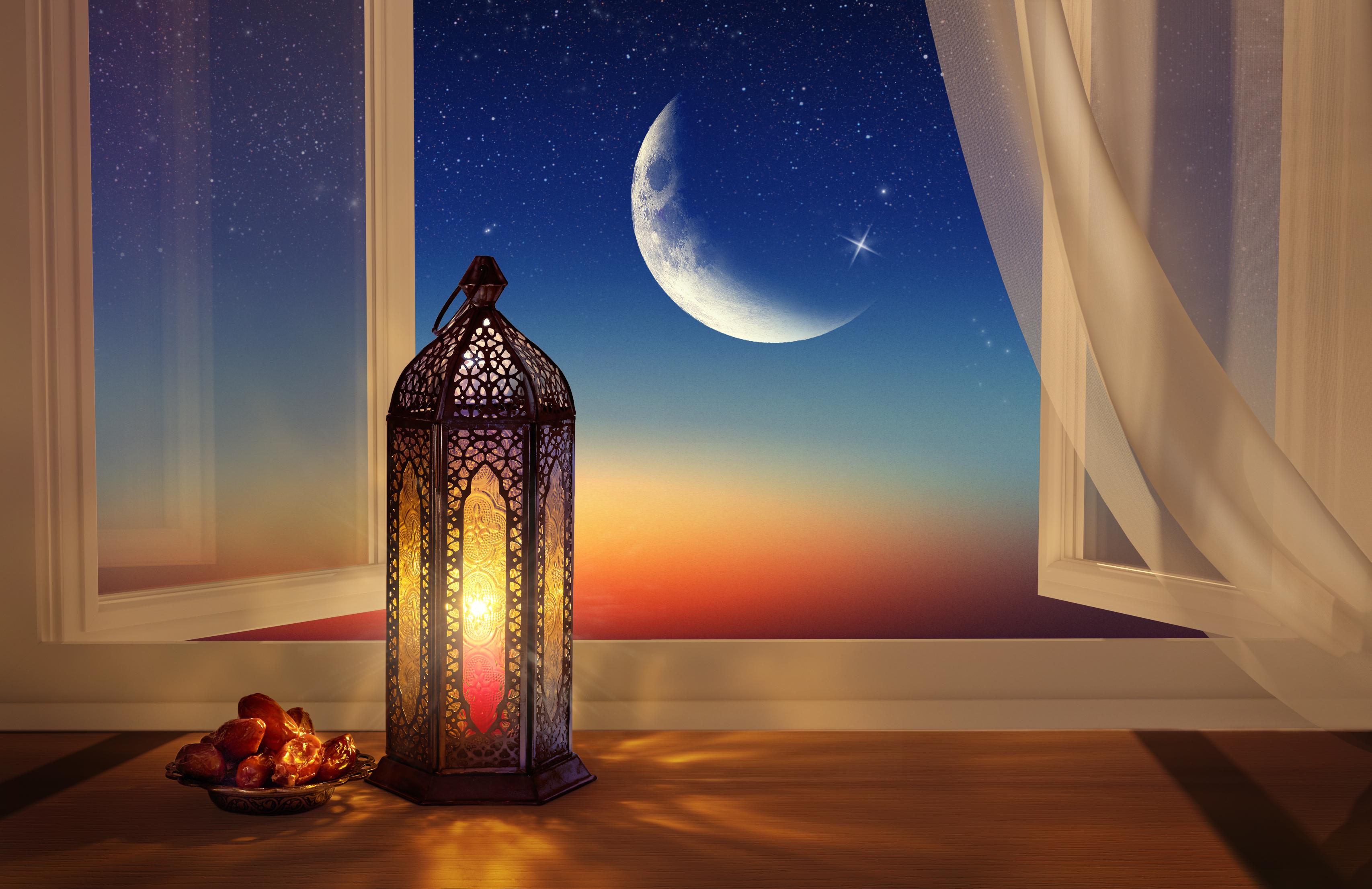
As the Islamic calendar is based on the lunar cycle, the month only begins when the crescent moon is sighted. Due to this, Ramadan lasts for 20 or 30 days, depending on when the moon for the following month is sighted. This means that one of the many interesting facts about Ramadan is that the date of when it begins changes each year, so Muslims will observe Ramadan at different times in the Gregorian calendar every single year.
At Muslim Aid, we have even more facts to help you understand this holy month. Explore our key facts about Ramadan and learn more about this month and why it is so important to Muslims worldwide.
To understand Ramadan facts, you need to know what the month is all about. Ramadan is the ninth month of the Islamic calendar and is one of the most significant times of the year. The holy month is very special for Muslims all over the world, and it holds a lot of meaning for believers that they can feel in their hearts. This is because the month is a rare opportunity for them to grow their spirituality and undergo the process of self-purification, allowing them to come out of the month renewed and closer to Allah (SWT). Muslims spend their time in sincere devotion to Islam, carrying out various forms of worship as a way to connect closer to Allah (SWT).
Devoting themselves to Islam requires believers to follow the spirit of the month, which is all about making time to focus on their faith more than they usually do throughout the year. It is a chance for them to make up for past mistakes, sins and forgetfulness (forgetting to carry out their duties that the faith requires of them). Muslims can increase their acts of worship to seek forgiveness and be on the right path to spiritual cleansing, starting afresh with their faith and be much more connected to Allah (SWT). The month consists of abstaining from food and drink during daylight hours to put believers in the shoes of those less fortunate. It also involves them building patience, empathy and discipline while performing good deeds to earn immense rewards.
One of the best facts about Ramadan is that it is a month of unity. It’s not just focused on an individual spiritual journey because it brings families and communities together during Suhoor (pre-dawn meal) and Iftar (the meal to break the fast). This connects communities and families together and strengthens their bonds as well as their faith.
When it comes to the key facts about Ramadan, a huge fact to know is what the name of the month means. The word "Ramadan" originates from the Arabic root "ramad," which means scorching heat or dryness. This symbolises the burning away of sins through fasting and sincere worship that Muslims partake in as much as possible throughout the month. Ramadan represents purification, both physical and spiritual, as Muslims strive to become closer to Allah (SWT).
There are some key facts about Ramadan that are good to know before this holy month begins. These are:
These Ramadan facts offer insights into why this month is such an important part of Islamic life.
One of the most interesting facts about Ramadan is the definition of Sawm and why Muslims observe this practice during the month. Sawm means fasting, and it is one of the pillars of Islam that creates the foundation of the faith. This means that it is a high act of worship that can give believers immense rewards. Sawm is about having the discipline and determination to abstain from food, drink and sinful behaviour (such as sexual acts, gossiping or backbiting) from dawn to sunset.
The reason why fasting is practised during this month is because it is a way for those with wealth to put themselves in the shoes of those less fortunate, developing empathy for the poor and encouraging Muslims to help them in any way possible (like giving to charity). It’s also about building self-restraint and growing spiritually, pleasing Allah (SWT) and connecting closer to Him. Allah (SWT) set Sawm as a high act of worship as He states in the Quran:
“O you who have believed, decreed upon you is fasting as it was decreed upon those before you that you may become righteous” (Quran 2:183)
Ramadan is the ninth month of the lunar calendar, and because the Islamic calendar is based on the lunar cycle, the exact date it begins will change annually. One of the interesting facts about Ramadan is that Muslims wait until the sighting of the crescent moon until the month begins, which means that every year, the month shifts approximately 10 days earlier in the Gregorian calendar. Due to this cycle, Ramadan is experienced in all seasons over the years.
One of the most fun facts about Ramadan is that once the month ends, there is a massive celebration for Muslims to come together and enjoy time with family and friends. This is known as Eid al-Fitr, and it is a time when Muslims dress in their best clothes and share delicious dishes with each other. Children can receive Eidi (money) and gifts, and joy and laughter are spread across communities, uplifting everyone’s spirits after a difficult yet rewarding month of devotion.
Fasting is one of the highest forms of worship a Muslim can do during the holy month. However, many can assume that this means the month is strict and breaking a fast is the worst thing anyone can do, even if it’s just a mistake. But this is not the case. Allah (SWT) is very forgiving, so a key fact about Ramadan you need to bear in mind is that there is a way to make up for breaking a fast to Him, and He will forgive you.
If a fast is broken unintentionally, such as by forgetting and eating, the fast remains valid, and the individual can continue. Prophet Muhammad (PBUH) said:
"If somebody eats or drinks forgetfully, then he should complete his fast, for what he has eaten or drunk has been given to him by Allah" (Sahih al-Bukhari).
However, deliberate breaking of the fast requires making up the missed day (Qadha) and, in some cases, performing a compensatory act (Kaffarah).
Fasting during Ramadan is obligatory for all adult Muslims who are mentally and physically able. This includes anyone who has reached puberty and is not exempt due to specific reasons.
However, Islam provides exemptions for those who are unable to fast due to genuine reasons. This is an interesting fact about Ramadan because it shows the true compassionate nature of the faith. The following groups are people who don’t have to fast:
We have covered many interesting facts about Ramadan. However, we have even more for you to understand the importance of the holy month and just why it is a sacred time. These 10 interesting facts about Ramadan are:
Ramadan is so much more than just fasting. The holy month takes believers on a journey of self-reflection, devotion to Allah (SWT), spiritual renewal and discipline. It is a rare opportunity during the Islamic year for Muslims to be closer to Allah (SWT) and carry out their duties and principles that Islam has set. Learning these key facts about Ramadan and sharing them with others, especially children, allows this sacred month to continue thriving and improves the experience while increasing blessings and rewards.As Prophet Muhammad (PBUH) said:
"When Ramadan begins, the gates of Paradise are opened, the gates of Hell are closed, and the devils are chained" (Sahih al-Bukhari).
If you have any questions about Ramadan, Laylat al-Qadr, Zakat, Zakat al-Fitr, Fidya, Kaffarah or Eid ul-Fitr, please contact us and we will be happy to provide guidance.
We are a faith-based British international charity that provides help to people who are victims of natural disasters or conflict or suffering from poverty, hunger, disease, homelessness, injustice, deprivation or lack of skills and economic opportunities.
© Copyright 2026. Muslim Aid - Help Muslims Around the World in Need . All Rights Reserved.
Charity CIO No. 1176462
Serving humanity since 1985.